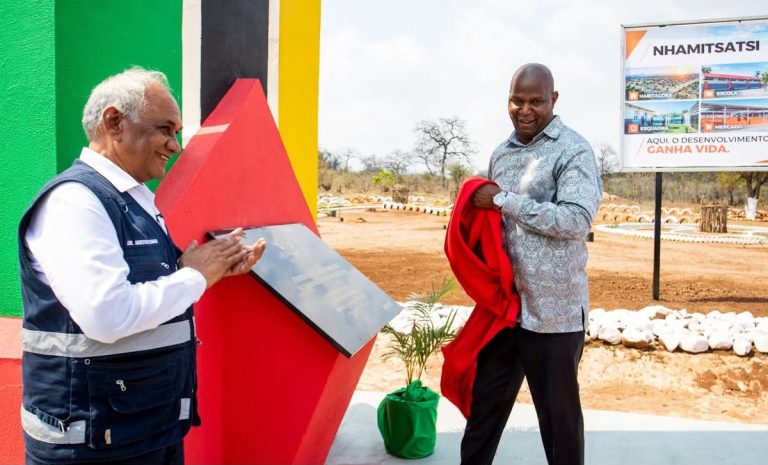
Maputo, 20 Mar (AIM) – The Mozambican Minister of Public Works, Fernando Rafael, on Thursday laid the first stone for the construction of a storm water drainage system in Maputo.
The construction of this 14 km long system, which is budgeted at 63 million Euros (72.7 million US dollars, at the current exchange rate), was funded by the Italian government and construction is expected to take three years
The system, aimed at increasing resilience to extreme weather events, will benefit over 190,000 citizens living in Maxaquene and Polana Caniço neighborhoods.
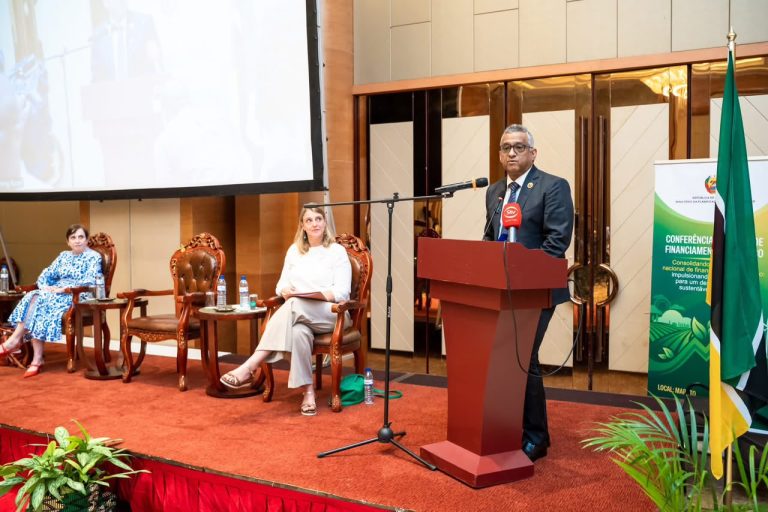
According to the minister, speaking during the inauguration, the infrastructure will also reduce problems related to storm water in the country’s capital. He explained that the project is a concrete response to the recurring challenges of flooding in Maputo as it “will contribute to the safety and well-being of the affected populations.”
“In a context where the effects of climate change are becoming increasingly visible and severe, investing in urban drainage is no longer just an engineering option. It has become a strategic decision for protecting people, defending the city, and promoting public health. That is precisely what this project represents: a concrete, robust, and future-oriented response”, he said.
Rafael also said that the project will improve paved roads and territorial reorganization, “impacting the lives of thousands of citizens who travel daily through the city.”
In addition to the drainage system, the project also includes the paving of nine kilometres of roads in the affected areas.
For his part, the Italian ambassador to Mozambique, Gabriel Annis, said that the project results from a partnership oriented towards the pursuit of common objectives, and “the cooperation between the various bodies involved in this project is crucial.”
The mayor of Maputo, Rasaque Manhique, guaranteed that the project will be implemented with rigorous environmental and social safeguards, favoring “the hiring of local labor in order to boost the economy and foster social inclusion.”
(AIM)
Ad/pf (327)