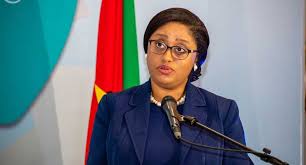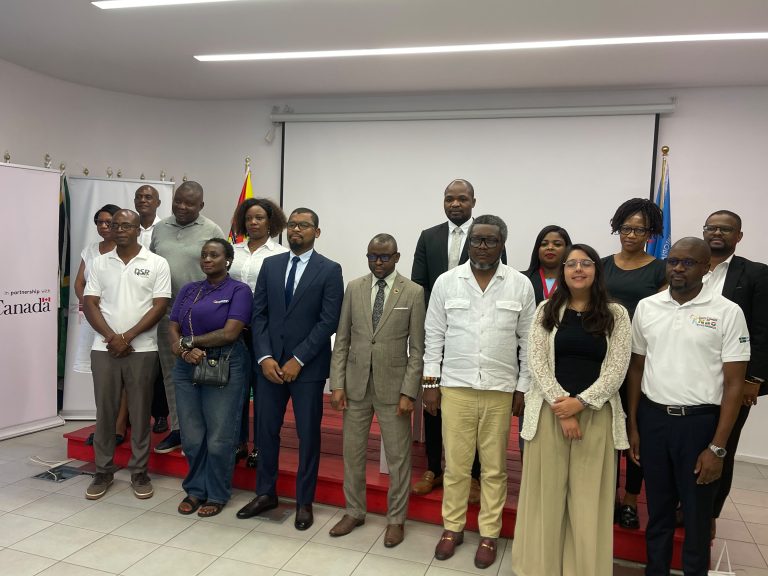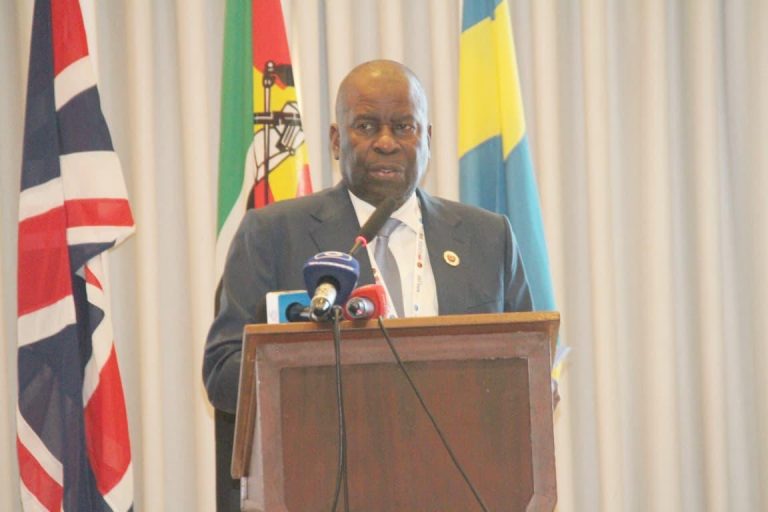
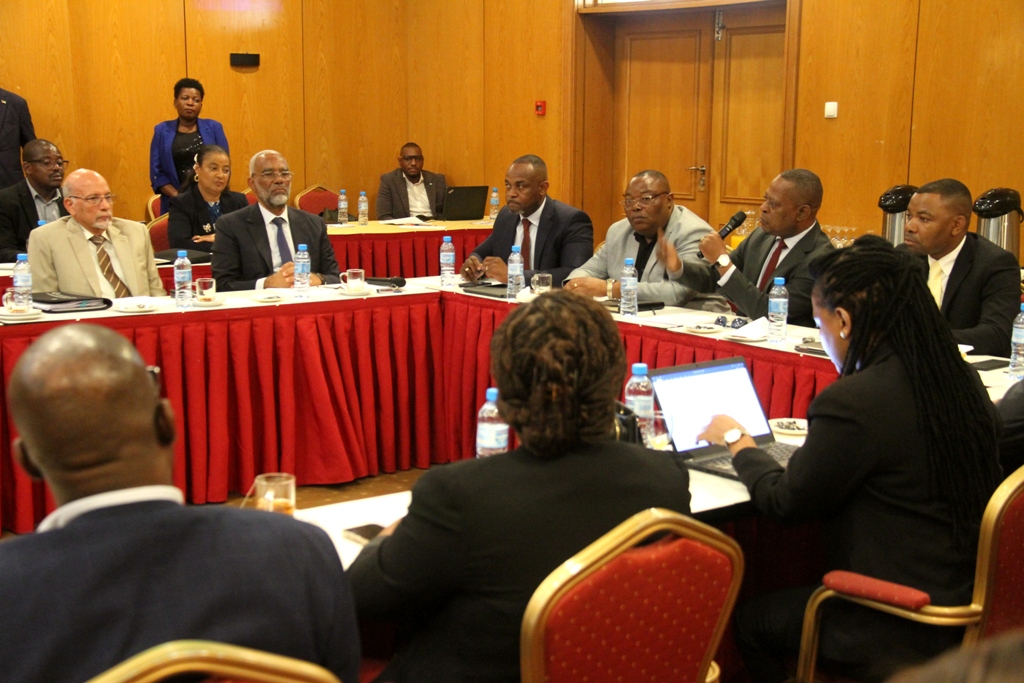
1ª Edição do Business Breakfast com o Provedor de Justiça, promovido pela Confederação das Associações Económicas de Moçambique (CTA), em Maputo
Maputo, 10 Apr (AIM) – The Mozambican Ombudsman, Isaque Chande, has called for more dialogue between State bodies and businesses to remove obstacles hindering productive activity, such as red tape, delays in issuing licenses, and corruption.
According to the ombudsman, speaking on Thursday, in Maputo, on the sidelines of the Business Breakfast promoted by the country’s Confederation of Business Associations (CTA), there are several complaints from companies related to difficulties in communication with the public administration, including delays in the payment of State debts and undue charges.
“We have already received requests from companies to intervene because the State has owed us debts for more than two or three years. We have also already spoken with institutions involved in collecting tax debts, situations that ended up being resolved,” said Chande.
“We have also intervened to solve delays in decision-making or the issuing of licenses. There were cases that dragged on for more than two years, but which were eventually solved after our intervention”, he said.
The ombudsman stressed that his institution has been working to boost “efficient and transparent public administration, promoting greater dialogue between the State and citizens, including the business sector.”
“Our role is to contribute to a more effective, more efficient and less corrupt public administration. We don’t have two States, we have one State with diverse institutions. We have to find measures that make life easier for entrepreneurs,” he said.
For his part, Onório Manuel, the CTA deputy chairperson, said that among the main constraints faced by the private sector are the difficulty in accessing foreign currency, the delay in the reimbursement of Value Added Tax (VAT), and excessive red tape in public administration.
“The business sector in Mozambique has a significant amount of VAT that it has not been able to recover for many years. Even though it is not a direct cost, the slowness in reimbursement ends up becoming a cost for companies,” he explained.
Manuel added that the lack of foreign currency also constitutes an obstacle to economic activity, as it prevents the import of raw materials and equipment necessary for production.
“As long as we don’t have foreign currency to import intermediate goods and capital goods, we won’t be able to produce. We want the business environment to be like a highway, without speed bumps or potholes”, he declared.
(AIM)
Ad/ad/pf (399)