Maputo, 13 May (AIM) – The Mozambican Ministry of Land and Environment has expressed its concern at the growing trend of agricultural pests in the country, with 58,101 hectares of land affected in the 2025/26 agricultural season.
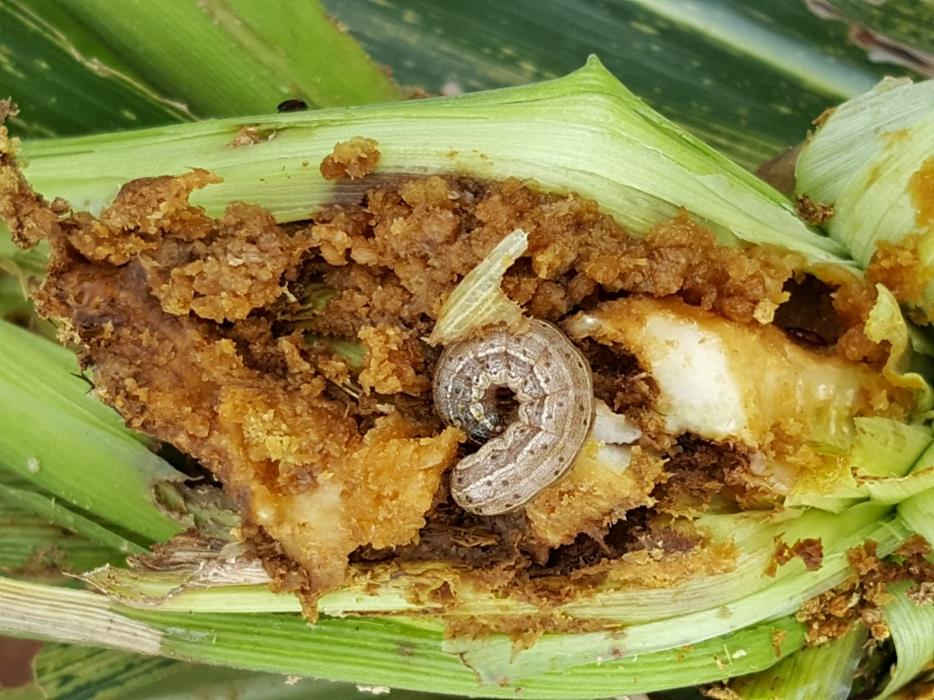
According to Gustavo Dgedge, Secretary of State for Land and Environment – speaking on Tuesday, in Maputo, at the ceremony celebrating the National Plant Health Meeting and the International Plant Health Day – in the 2025/26 campaign, the fall armyworm affected 58,101 hectares, compared to 54,660 hectares in the 2024/25 campaign, representing an increase of 6.3 percent.
“The elegant grasshopper has seen a reduction in the infested area, but the number of affected households has increased from 7,549 to 16,359, equivalent to a growth of 116.7 percent. These figures reflect the growing pressure on the agricultural sector, in a context marked by climate change and the expansion of international trade”, he said.
According to Dgedge, 40 percent of food crops are lost every year due to plant pests and diseases and this “has been influenced by human mobility and increased international trade. Mobility contributes to the spread of pests in different regions of the country.”
“International travel and trade, which have tripled in volume in the last decade, are causing pests and diseases to appear in places where they have never been seen before”, he added.
Dgedge explained that Mozambique remains particularly vulnerable due to the strong dependence on agriculture for the subsistence of most of the population, which makes the sector more exposed to phytosanitary shocks.
Among other threats, he highlighted the tomato leafminer and the Banana Fan Top Virus, which continue to cause production losses. “In the case of bananas, 1,191 hectares were affected in the 2024/25 campaign, of which 1,011 hectares were controlled, resulting in a loss rate of 2.8 percent”, he said.
(AIM)
SNN/Ad/