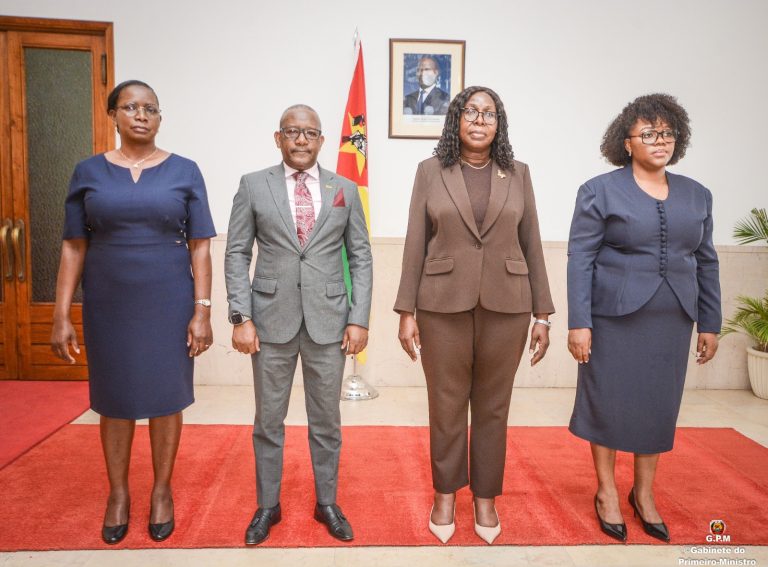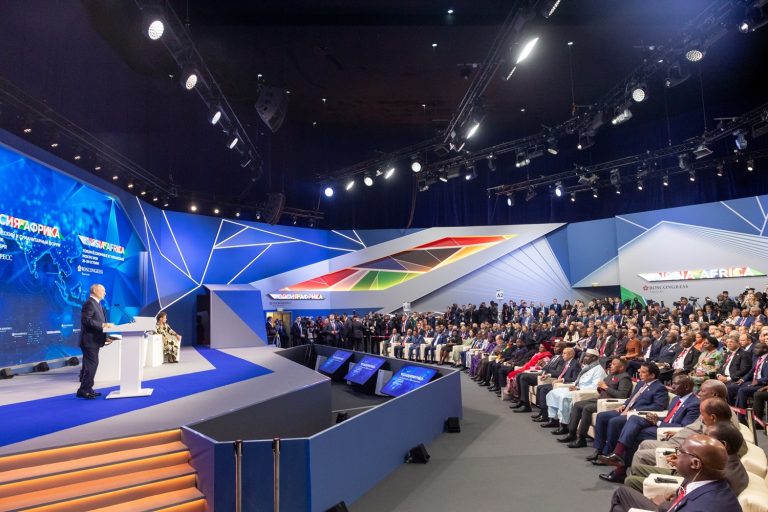

Ministro dos Transportes e Logística, João Matlombe, durante a abertura da reunião de consulta pública
Maputo, 29 May (AIM) – Mozambican Minister of Transport and Logistics, João Matlombe, believes that the country must adopt new regulations in the railway sector in order to attract private investment and boost competitiveness.
Speaking on Thursday, in Maputo, at the opening ceremony of the public consultation on the Regulation on Access to Railway Operations, the country must introduce reforms at a time when the Southern African region is strengthening development corridors and expanding intra-regional trade, making the modernization of railway governance instruments imperative.
“The regulations we are submitting for public consultation today are based on a progressive and reformist vision. The government aims to build a railway system that is more dynamic, transparent, competitive and geared towards sustainable economic growth. The new regulatory framework should stimulate healthy competition, promote greater use of railway infrastructure and encourage new operators to enter the market”, he said.
The minister also said that the proposal provides for greater interoperability between rail and port systems, as well as the strengthening of national and regional logistics corridors.
The future economic competitiveness, he said, will depend not only on the existence of infrastructure, but also on the quality of regulation and the efficiency of the services provided.
“A modern rail sector requires transparent rules on access to infrastructure, clear criteria for capacity allocation and effective dispute resolution mechanisms. The success of the reform will depend on the active participation of the various stakeholders linked to the rail and logistics sector”, he said.
“We want to hear the experiences of rail operators, the perspectives of port managers, the concerns of investors and the contributions of technical experts”, he added.
Matlombe also revealed that the government also intends to prepare the sector to respond to the challenges associated with logistics digitalization, the energy transition and the growth of regional trade.
“The railway plays a strategic role in reducing logistics costs, increasing the competitiveness of exports and promoting sustainable economic development”, he said.
(AIM)
SNN/Am/