Maputo, 25 Aug (AIM) – The Mozambique-Zimbabwe Pipeline Company (CPMZ) has announced an increase in its annual fuel transport capacity from three to five million cubic meters by the end of 2027.
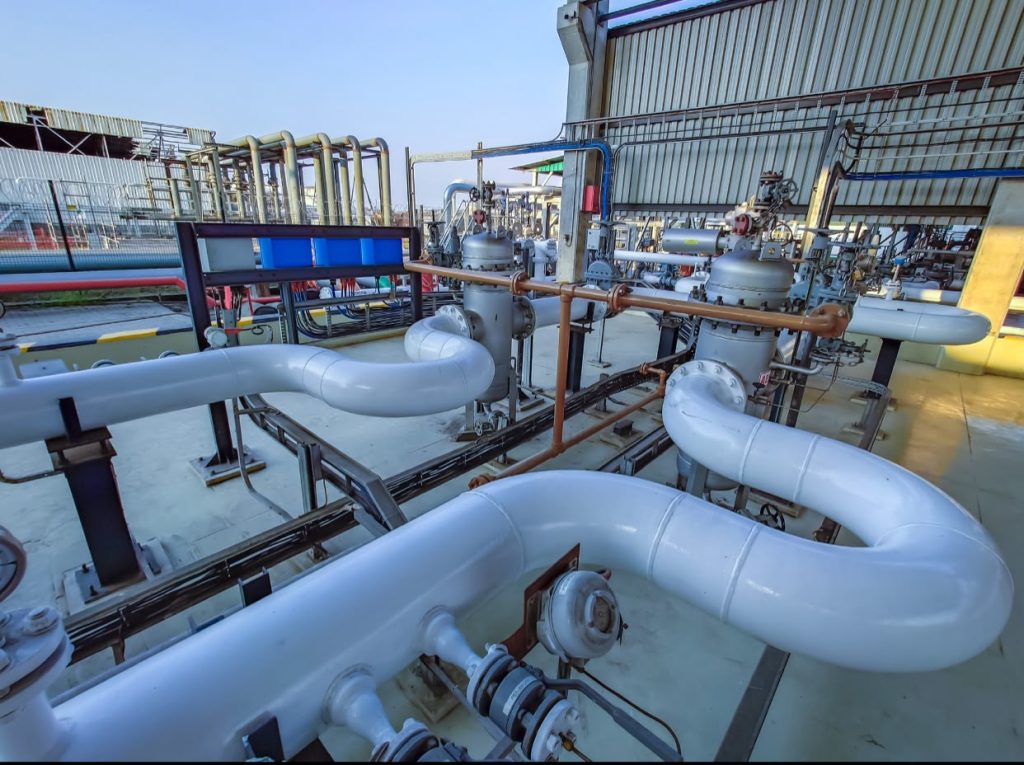
CPMZ is a public-private partnership that has operated a petroleum products pipeline connecting the port of Beira in Mozambique to Feruka in Zimbabwe since 1982.
In a statement, the company explained that the 67 percent capacity expansion is aimed at meeting the growing regional demand for diesel, petrol, and jet fuel in landlocked countries including Zimbabwe, Zambia, Malawi, Botswana, and the Democratic Republic of Congo (DRC).
“It is a major move to strengthen Southern Africa’s energy supply. The expansion will involve building two new pumping stations in Nhamatanda, Sofala province, and Messica, Manica province. The groundbreaking ceremony is scheduled for 2 September in Nhamatanda, with the Heads of State of Mozambique and Zimbabwe expected to attend”, reads the document.
Spanning 294 kilometers, the Beira-Feruka pipeline is a critical artery of the Beira Corridor, supplying fuel to landlocked Zimbabwe and neighboring regional markets.
This is the second major capacity upgrade in recent years. In 2024, CPMZ increased capacity from two million to three million cubic meters. Once complete, the new phase will make capacity 2.5 times higher than pre-2024 levels.
CPMZ also confirmed that construction and commissioning of the new stations will proceed without disrupting current pipeline operations or regional fuel supplies. The project is being coordinated with upgrades to the Petrozim pipeline between Feruka and Harare, creating a high-capacity integrated corridor linking the Port of Beira to the Southern African interior.
For long-term regional integration, CPMZ and the Zimbabwean government are studying a proposal to replace the current line with a larger-diameter pipeline to meet projected fuel demand through 2050. Plans to extend the Harare-Lusaka route into Zambia’s Copperbelt are also under review.
According to CPMZ, these strategic investments will contribute to a “more resilient, efficient, and integrated” regional fuel supply network, supporting economic activity, cross-border trade, and energy security across the Southern African Development Community (SADC).
(AIM)
Zt/Am/