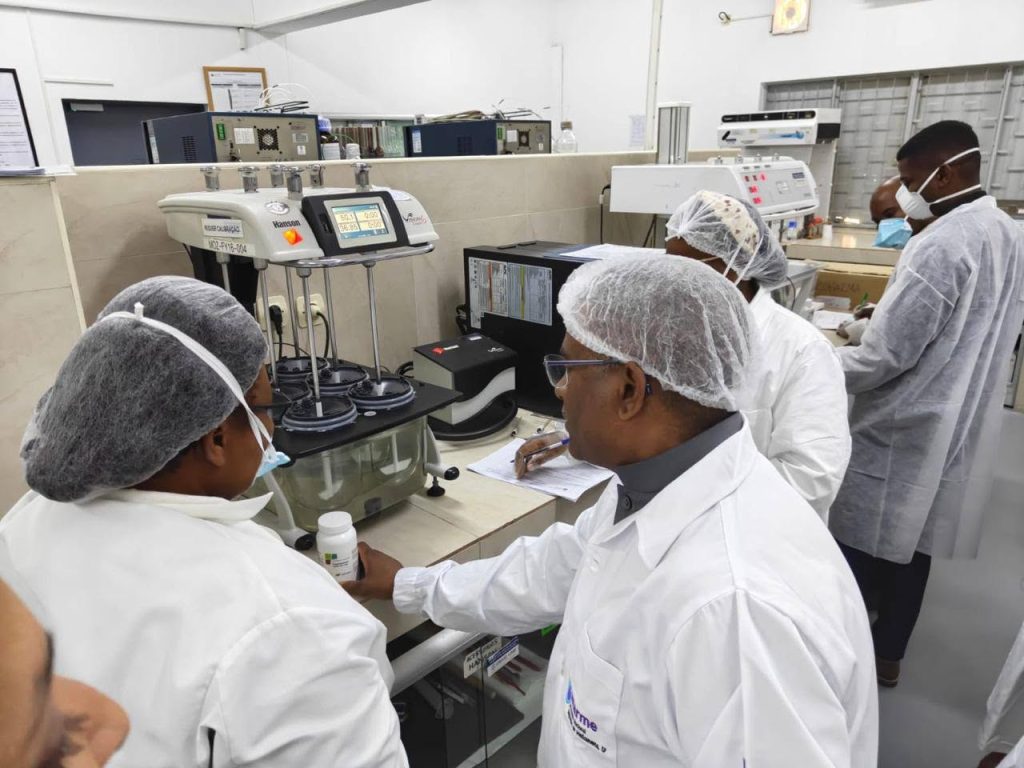
Maputo, 25 Aug (AIM) – Mozambique’s National Medicine Regulatory Authority (ANARME) has achieved Maturity Level 3 (ML3) for the regulation of medicines and imported vaccines under the World Health Organization (WHO) global classification of national regulatory authorities.
According to WHO, for reaching major milestone in strengthening the regulation of medicines and imported vaccines and for having “a stable, well-functioning and integrated regulatory system”, Mozambique becomes the 10th country in Africa to reach ML3, joining Egypt, Ethiopia, Ghana, Nigeria, Rwanda, Senegal, South Africa, Tanzania and Zimbabwe and marking further momentum in strengthening regulatory systems across the region.
WHO’s maturity levels range from 1 to 4. Reaching ML3 confirms a stable, well-functioning and integrated regulatory system, while ML4 represents an advanced system focused on continuous improvement.
The organization explains that stronger regulation means greater assurance that medicines and vaccines are appropriately evaluated for quality, safety and efficacy and monitored throughout their lifecycle. It also strengthens the country’s ability to identify and respond to safety concerns and substandard or falsified products, while supporting timely access to quality-assured health products.
“Mozambique’s achievement is the result of sustained investment in regulatory capacity that will deliver crucial benefits for public health. Strong regulatory systems protect people, build confidence in health products and help countries respond more effectively to evolving public health needs and challenges. Mozambique’s progress also contributes to advancing regulatory capacity across Africa and promoting more equitable access to safe and quality-assured medicines and vaccines”, said Dr Sylvie Briand, WHO Chief Scientist and Assistant Director-General for Health Systems, Access and Data.
According to WHO, Mozambique’s achievement follows years of sustained efforts to build the institutions and capabilities needed for effective regulation. “WHO worked closely with ANARME throughout this process, assessing the national regulatory system and supporting the authority in addressing identified gaps and strengthening priority areas.”
WHO evaluates national regulatory systems using its Global Benchmarking Tool (GBT), which assesses the regulatory functions required to ensure the quality, safety and efficacy of medical products. These include registration and marketing authorization, licensing, market surveillance and control, pharmacovigilance, regulatory inspection, laboratory testing and oversight of clinical trials, as applicable.
As the first Portuguese-speaking country in Africa to reach ML3, Mozambique’s experience can also contribute to strengthening regulatory systems and fostering greater cooperation, knowledge sharing and reliance among Portuguese-speaking countries and across the African continent. Its achievement further reinforces a more connected African regulatory ecosystem, providing a solid foundation on which the newly established African Medicines Agency can build to advance regulatory convergence and cooperation across the region.
Am/