Maputo, 25 Oct (AIM) – The Mozambican Government plans to create 500,000 jobs by formalizing 10,000 cooperatives and integrating 1.5 million informal economy operators into the formal sector.
The plan is part of the 20-year National Cooperative Development Programme (PNDC).
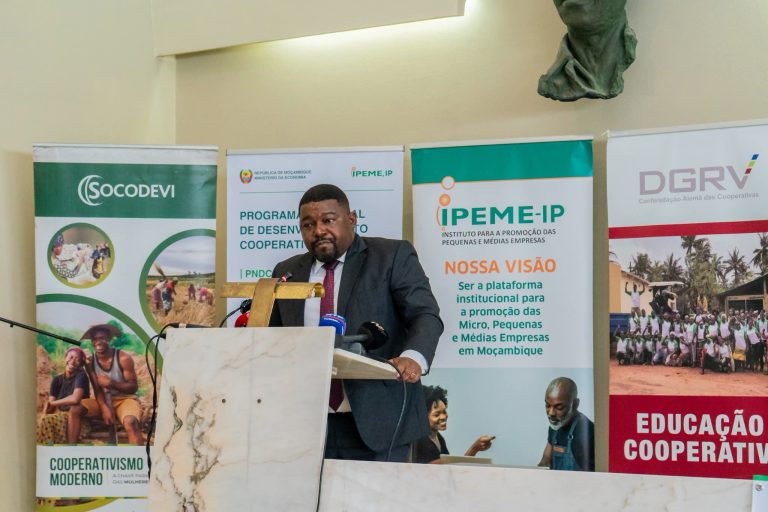
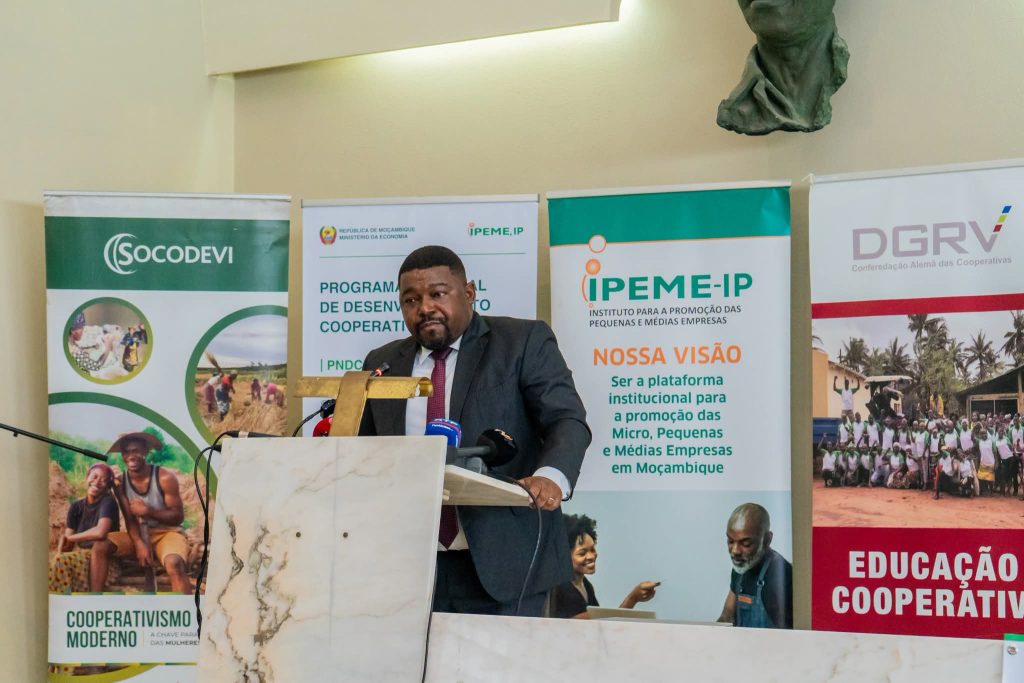
According to Economy Minister Basílio Muhate, speaking at the launch of PNDC 2026–2046, in Maputo, the initiative seeks to organize small-scale producers and other economic operators into cooperatives to strengthen their bargaining power, improve access to financing and facilitate the marketing of locally produced goods.
“More than eight out of every ten Mozambicans work in the informal economy. Vendors, fishermen, carpenters, artisans and farmers generate income and support families but face difficulties because they operate individually. These are not complaints from people who do not want to work. They are complaints from people who work hard and end up with little”, he said.
The minister cited difficulties in formalizing businesses, obtaining inputs and technology, accessing financing and reaching markets as major challenges. He argued that cooperatives could help address these problems by pooling production, strengthening negotiating power and creating better opportunities to sell goods.
The programme also seeks to reduce reliance on unprocessed raw materials, enabling communities to retain more value from their production. “We want cooperatives that peel, dry, preserve and produce goods at district and local level”, the minister said.
He stressed the need to make better use of domestic productive capacity, noting that in 2024 Mozambique imported goods worth approximately 8.4 billion US dollars and exported around 8.2 billion US dollars. He argued that some imported products could be produced locally, creating opportunities for domestic operators and stimulating economic activity.
To improve access to markets, the programme provides for a minimum quota of 15 percent of public procurement of food products and services for the targeted sector, as well as district-level trading exchanges, marketing platforms, local trade fairs and agreements with supermarkets, traders and other buyers.
The government also plans to approve regulations implementing the General Cooperatives Law in 2026, establish a National Office for Modern Cooperatives and prepare a specific tax-benefit framework for the sector.
“Development partners must align their support with the programme’s priorities through predictable medium and long-term financing, capacity-building and credit guarantee mechanisms. Cooperative members must also ensure transparent management, maintain proper records, hold regular general assemblies and honour their commitments to buyers.
(AIM)
SNN/Zt/Am/