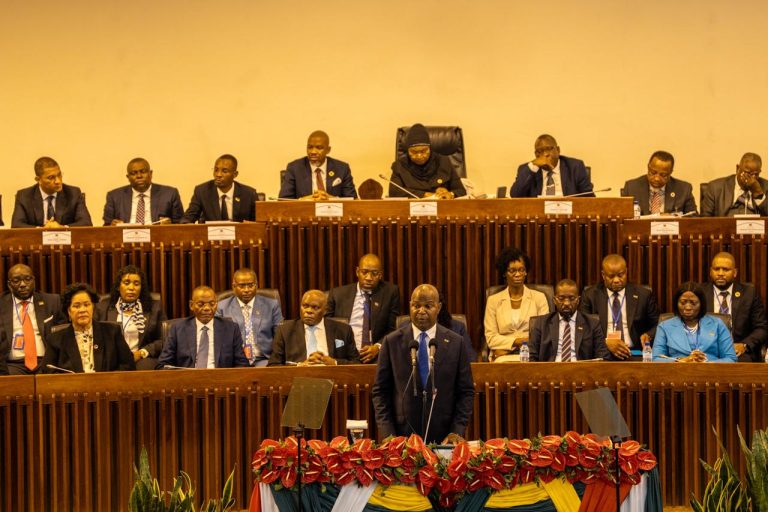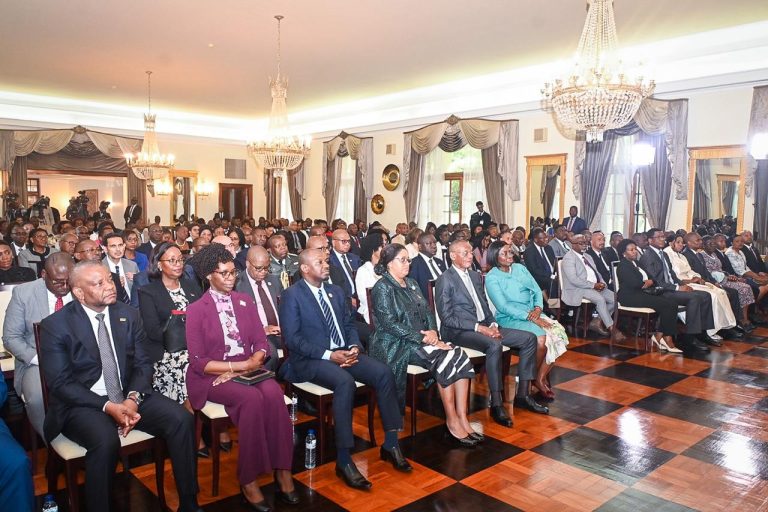


Electronic bracelets. Photo Ferhati Momad
Maputo, 16 Dec (AIM) – The Mozambican Ministry of Justice on Monday launched the first phase of a pilot project to introduce electronic bracelets into Mozambican prisons.
Initially, about 3,000 prison inmates will wear the bracelets. At the launch ceremony, held in the main Maputo prison, the Justice Ministry claimed that the bracelets will cut the annual budget of the National Prison Service by 12 per cent (but the figures given at the ceremony suggest that the true savings are much higher, at over 70 per cent).
Implemented in partnership with the United Nations Office on Drugs and Crime (UNODC), the measure is intended to relieve overcrowding in the prisons. The inmates concerned will wear the bracelets on their wrists or ankles, allowing the authorities to check on their movements when they are allowed outside the jails.
Justice Minister Mateus Saize said the introduction of the bracelets “is a gigantic strategic step towards humanising the prisons, because it will alleviate the pressure on the penitentiary system”.
That pressure is expressed in a high financial cost to the state. Annually, the state pays three million meticais (about 47,000 US dollars) a year to keep the prison system functioning.
Each inmate in a closed prison costs 150,000 meticais a year, said Saize – but an inmate who is not locked up 24 hours a day, but is controlled electronically, will only cost 30,000 meticais a year.
These savings will allow money to be channelled towards improving the prison buildings, strengthening rehabilitation programmes, and investing in technologies that modernise the administration of justice.
Saize said that the inmates who will wear the electronic bracelets will be carefully chosen. The selection will involve the courts and prosecutors as well as prison staff.
The bracelets will make it possible to trace the whereabouts of inmates allowed to leave the prisons.
Currently there are about 20,000 inmates in the Mozambican prison system.
(AIM)
Pf/ (320)