Maputo, 31 May (AIM) – The Mozambican government has confirmed that it will secure the necessary funds for Rwandan troops to continue their mission against Islamist terrorism in the northern province of Cabo Delgado.
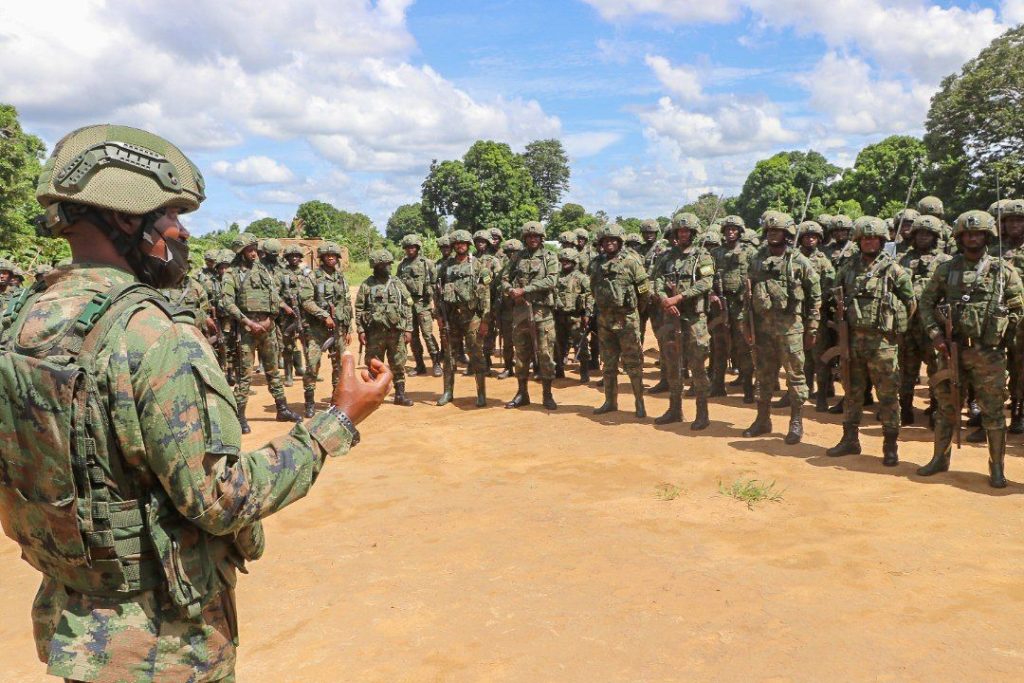
The Rwandan Forces were deployed to northern Mozambique in 2021 at the request of the Mozambican government to support the fight against terrorists operating in the region.
Recently, Rwanda’s minister of foreign affairs, Olivier Nduhungirehe, said that the European Union (EU), which partly funded counter-insurgency mission, became reluctant to provide funding.
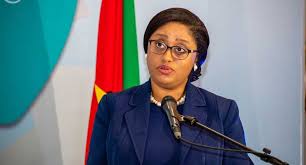
According to the government spokesperson and Minister of State Administration, Inocêncio Impissa, speaking to reporters on Friday, in Maputo, keeping Rwandan forces in the country is important so that Mozambican forces may gain time to train and prepare themselves to respond to the security crisis.
“I do not know the costs or how long they will stay, but the agreements will strictly clarify this matter in the near future, but having this reinforcement allows us to continue to build our country’s capacity”, he said.
This is the first time that the government comments on the issue, even when the EU’s diplomatic service said that it had not received “any formal request” to extend financial support to Rwandan security forces in Cabo Delgado, whose current programme was ending at the end of May.
“This gives us time to continue reorganizing our forces in terms of capacity, equipment, and technology, among others, while we also benefit from the support of friendly forces who secure the region”, he added.
Rwandan authorities had announced last March that it would withdraw its troops “if international funds are not secured to sustain the counter-insurgency mission.”
Rwanda, which claims to have over 6,300 soldiers in the country, has so far received about 20 million Euros (23 million US dollars at the current exchange rate) in EU support for the counter-insurgency mission, which the Rwandan authorities claim that it was “a fraction of the cost being borne by Kigali and the effort had cost Rwanda at least 10 times that amount.”
The insurgency in Cabo Delgado, which erupted in 2017, brought construction of the liquefied natural gas (LNG) project, headed by the French company TotalEnergies, to a halt. But work by the Mozambican defence and security forces and their Rwandan allies, particularly in the key districts of Palma and Mocimboa da Praia, allowed TotalEnergies to lift the state of force majeure which it had declared in 2021.
In January of this year, the French energy company and the Mozambican government agreed to resume construction of the project.
Am/