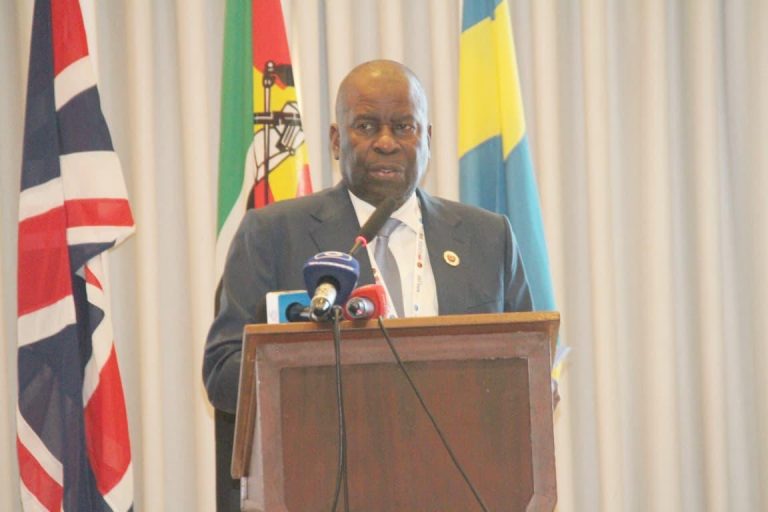

Maputo, 16 Jul (AIM) – Mozambican government has decided to establish a Multisectoral Commission for Mining Management, Oversight, and Rehabilitation in order to curb illegal mining which continues to harm the country’s environment.
According to the government spokesperson and Minister of State Administration, Inocêncio Impissa, speaking to reporters after a meeting of the Council of Ministers (cabinet), the body will be responsible for inter-institutional coordination for the implementation and monitoring of mining activities.
Impissa explained that the body’s operations do not entail the suspension of mining activity or interfere with the continuation of mining operations that are duly authorized and conducted in accordance with mining legislation.
“The commission was established after the government reviewed the report from the Second Monitoring Mission to mining zones in Manica province, conducted in March 2026. The body’s establishment also follows the Multi-sectoral Commission, which assessed mining areas in the locality of Lupiliche, in Lago district, northern province of Niassa province, between June 27 and July 2”, he said.
According to the minister, the Manica report found that some companies had improved their compliance, leading to the lifting of the suspension on exploration activities for ten of them, “but there are still companies that have made no progress. The situation has worsened for some, as they have regressed in compliance indicators, dropping from the intermediate level to the critical level.”
According to Impissa, artisanal and informal mining within licensed areas persist and “harmful practices are spreading to other regions of the country. This includes a sharp rise in artisanal mining, non-compliance with labor and environmental laws, and the misreporting of production volumes.”
“A mission was therefore established to visit the locality of Lupilichi with the aim of assessing whether mining activities align with the titles and licenses issued by competent authorities; identifying risks to public order, safety, and local socio-economic stability; verifying compliance with environmental, labor, and immigration laws; and formulating recommendations to restore legality and strengthen the State’s presence in the region”, he said.
The spokesperson also added that some still lack mining proper licenses, “and there is still river pollution and a failure to carry out environmental remediation.”
Am/