
Maputo, 11 Aug (AIM) – The WaterAid, an international NGO, has warned that Mozambique may lose funds and investments in the water sector if already built systems remain out of function due to a lack of maintenance or technical capacity.
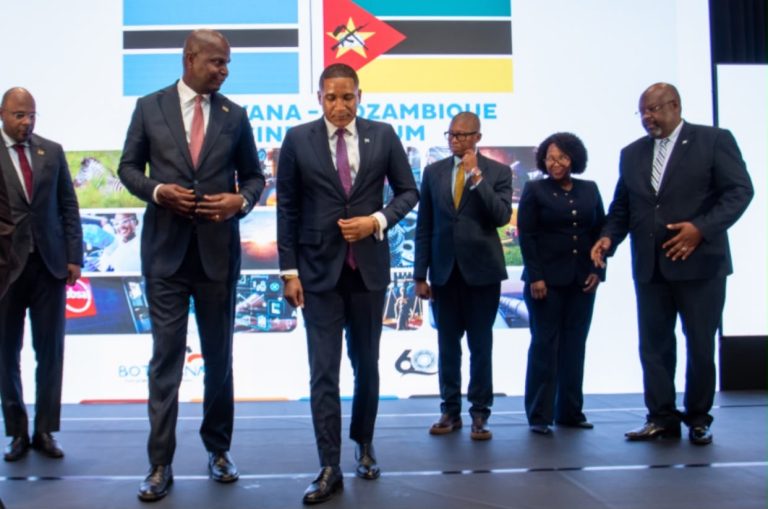
This warning was issued on Monday during the Seminar on the Sustainability, Operation, and Maintenance of WASH Infrastructure in Primary Health Centers.
This concern arises in a context where infrastructure construction remains a primary response to the country’s water and sanitation access gaps, yet the sustainability of these investments remains a key challenge.
According to Green Peace, an international ecologist organization, there are about 50,000 non-functional water sources in rural areas across Africa. 5.52 billion people out of a population of 7.78 billion in 186 countries face water insecurity today. Of these, 1.34 billion are Africans, accounting for more than 90 percent of the continent’s population.
A broken water pump, damaged piping, an inoperative solar system, or unusable sanitary facilities can quickly turn a newly inaugurated facility into one incapable of providing the service for which it was designed.
“Therefore, sustainability cannot begin only when the first breakdown occurs. It must be incorporated from the project design phase, through the selection of appropriate technologies, definition of responsibilities, training of technical personnel, availability of spare parts, and provision of financial resources for operation and maintenance”, says the organization.
The organization also says that answers are not always clear when projects involve different levels of public administration, development partners, and non-governmental organizations. This lack of clarity can lead to delays, overlapping responsibilities, or, ultimately, the abandonment of infrastructure that represents significant investment.
During the meeting – which brought together representatives from the government, the National Public Works Administration (ANOP), the Ministry of Health, provincial and district bodies, District Planning and Infrastructure Services (SDPI), health facilities, and development – WaterAid shared its 2023–2028 strategy.
Key priorities include improving access to water, sanitation, and hygiene in the health sector and strengthening service resilience in the face of climate change.
Discussions point out that the absence or interruption of WASH services compromises hand washing, facility cleaning, waste management, maternity care, and infection prevention and control, affecting both patients and health professionals.
According to 2024 UNICEF data on national drinking water profile approximately 41 percent of the Mozambican population relied on unimproved water sources or surface water.
The situation was even more critical in rural areas, where 54 percent of the population relied on such sources, while around 3.4 million people used surface water directly.
(AIM)
Pc/Am/