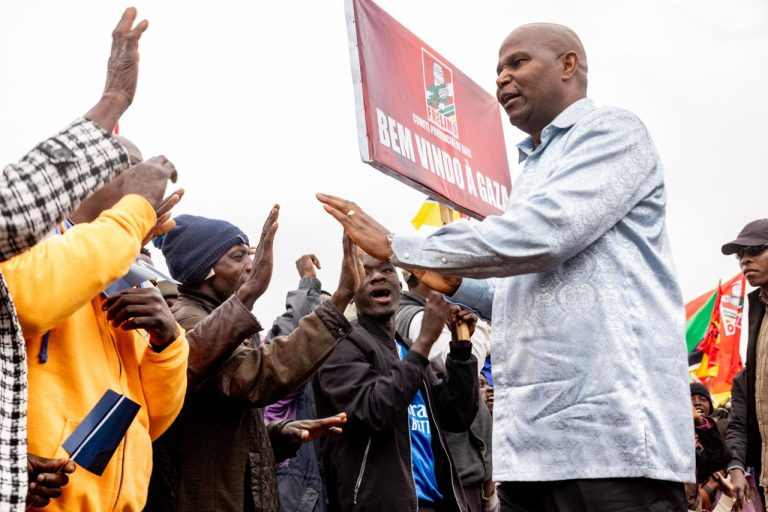
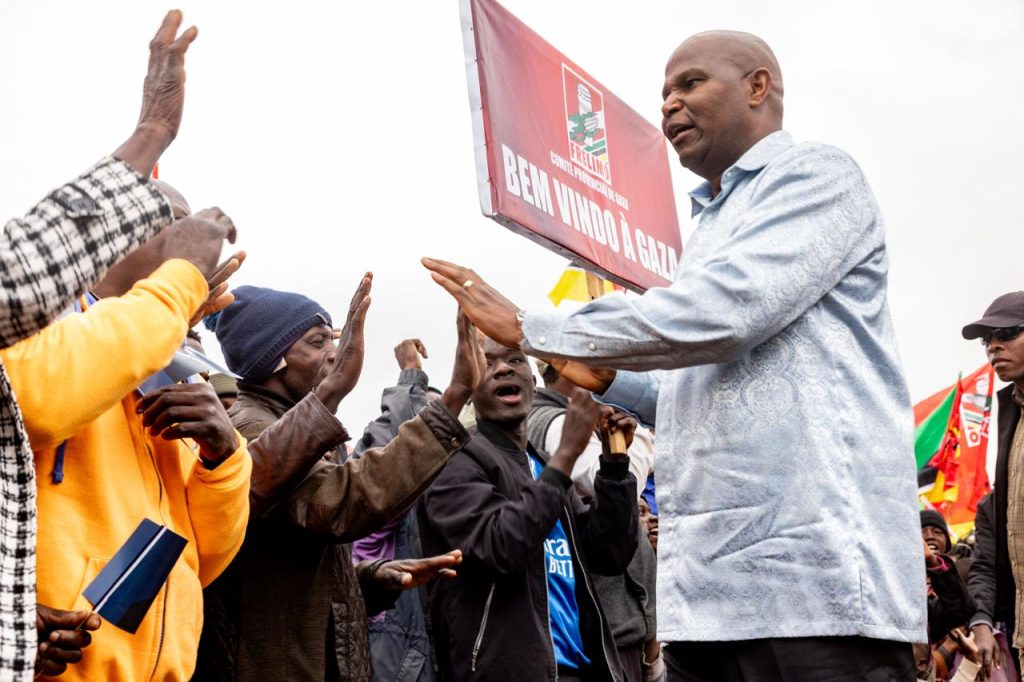
Maputo, 02 Oct (AIM) – Mozambican President Daniel Chapo believes that the Southern province of Gaza is showing signs of recovery after facing the devastating impact of floods earlier this year.
Speaking on Thursday, at an extraordinary session of the Provincial Executive Council, in Mapai district, during his four-days working visit to Gaza, the President said that the reality observed on the ground shows that the population has the ability to bounce back after the floods.
“It is evident that an effort is being made to demonstrate these positive signs of a resilient Gaza province, a Gaza province that is recovering. Certain less-than-positive indicators cannot be viewed in isolation from the impact of the floods”, he said.
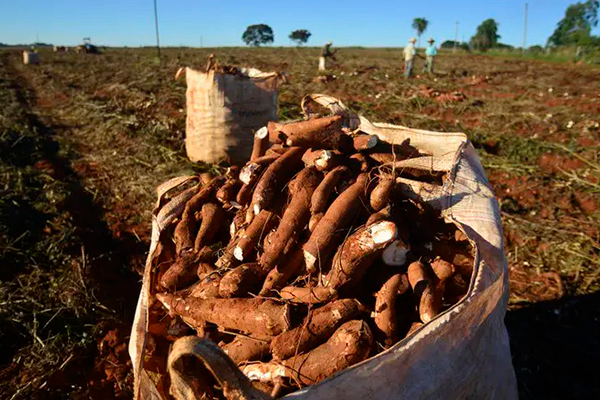
Chapo explained that on of the clearest signs of Gaza’s recovery is in the agricultural sector, where communities have returned to work to restore production lost during the floods.
The President noted that the province was made a top priority for seed distribution, part of a strategy designed to enable producers to quickly resume farming activities. “That is why, when the time came to distribute seeds, the first thing we did was start in Gaza, because we knew that—as the saying goes—after the storm comes the calm,” he stated.
Although production levels still fall short of expectations, the President deemed the communities’ efforts to restore their livelihoods significant.
“The population did not sit idly by; they got to work, and the results are visible. This reflects a reality where the response to the floods was not limited to public sector intervention but also relied on the initiative of the communities themselves, who resumed productive activities despite the losses caused by the flooding.
During the meeting, Chapo also drew the district administrators’ attention to the need to strengthen preparedness for the forecasted El Niño phenomenon, which is associated with extreme drought.
“The approaching drought is a reality. We must adopt proactive measures to mitigate the impact on the population and agricultural production.
According to an update of the National Institute for Disaster Management and Risk Reduction (INGD), the death toll from the last rainy season in Mozambique reached almost 300, with over a million people affected since last October.
The January floods alone resulted in at least 43 deaths, 147 injuries, and nine people missing, affecting a total of 715,716 people. Meanwhile, the passage of Cyclone Gezani through Inhambane on February 13 and 14 caused four more deaths and affected 9,040 people.
Am/