Maputo, 9 Jul (AIM) – The Dutch government has pledged to disburse 12.5 million Euros (14.1 million US dollars, at the current exchange rate) to support Mozambique’s seed development program.
According to a statement, released by the Mozambican Ministry of Planning and Development, the initiative was designed to strengthen the national system, increase agricultural productivity, and improve food security.
The funding will be formalized with the signing of the Financing Agreement for the Mozambique Seed Partnership (MSP) program, an initiative that will run between 2026 and 2031.
“The program aims to strengthen the national seed system and expand farmers’ access to high-quality, climate-resilient seeds. The program intends to promote the development of a more competitive, sustainable, and inclusive seed sector by reinforcing collaboration between public institutions, research entities, and the private sector, including seed companies and other stakeholders in the value chain”, reads the document.
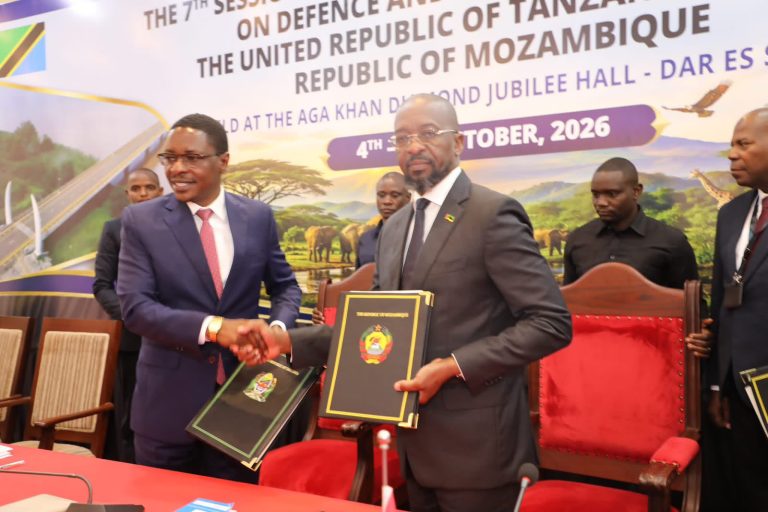
The agreement will be signed by the Director-General of the Zambezi Valley Development Agency (ADVZ), Celso Cunha, and the Deputy Head of Mission and Head of Cooperation at the Embassy of Holland in Mozambique, Wietze Sijtsma.
The initiative, according to the statement, falls under the bilateral cooperation framework between Mozambique and Holland, seeking to “strengthen the national seed system, improving access to and use of improved and climate-resilient crop varieties by producers.”
“Through a market-oriented approach, the program is expected to contribute to increasing agricultural productivity, reinforcing food and nutritional security, and strengthening the resilience of production systems against climate change”, reads the note.
Implementation will take place across the entire national territory, but with a particular focus on the Beira and Nacala development corridors.
“In these central and northern regions, the interventions should contribute to strengthening seed markets and expanding producers’ access to certified quality seeds. The program will be implemented by the ADVZ in partnership with the Agricultural Research Institute of Mozambique (IIAM) and Wageningen Social & Economic Research (WSER), part of Wageningen University in Holland.”
Execution will also count on the collaboration of the National Directorate of Agricultural Health and Biosafety, producer organizations, seed companies, financial institutions, and other national and international partners.
According to the document, the private sector will play a central role in executing the initiative, contributing to “strengthening the production, certification, marketing, and distribution of quality seeds, as well as promoting innovation, investment, and the sustainable development of the seed value chain.”
The government believes that by reinforcing the availability, access, and use of quality seeds, the program will contribute to “a more productive, resilient, and market-oriented agriculture,” supporting the government’s efforts in the sustainable transformation of the agrarian sector, the improvement of smallholder households’ livelihoods, and the country’s economic development.”
Am/