Maputo, 2 Jul (AIM) – Mozambican government has announced the availability of 75 million US dollars aimed at funding the acquisition of certified seeds as part of the country’s 2026/27 agricultural campaign.
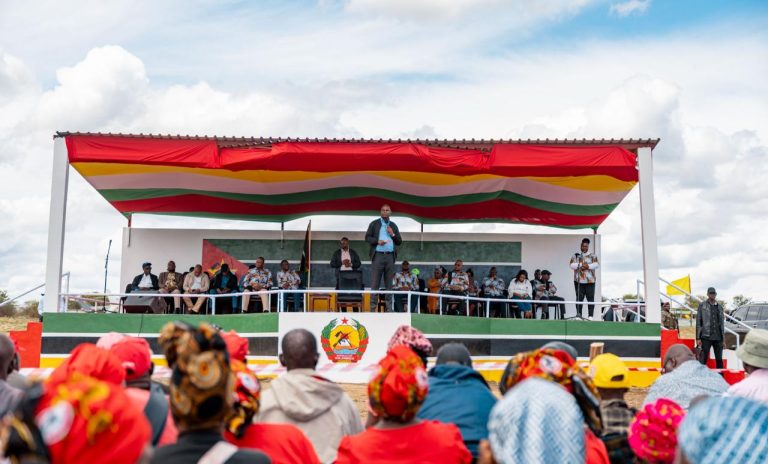
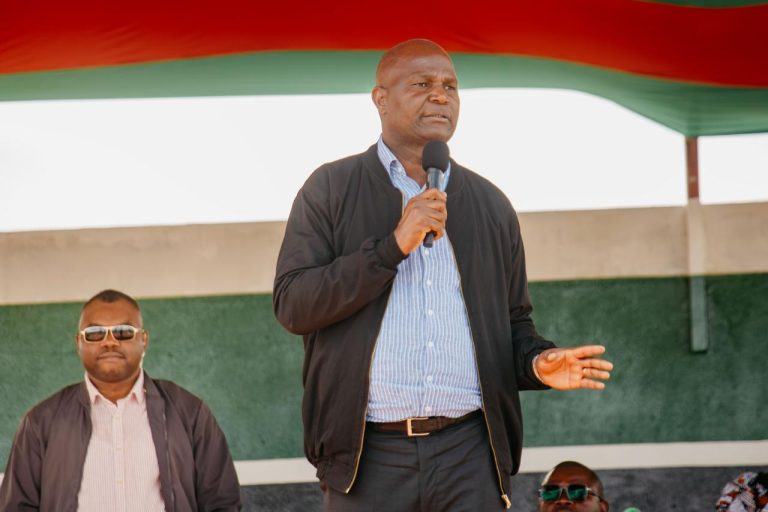
According to the Minister of Agriculture, Roberto Albino, speaking on Wednesday, in Maputo, at the opening of the National Seed Meeting, held under the motto “Quality Seed, Guarantor of Increased Production and Productivity”, the funds will guarantee a predictable market for the private sector and boost the national production.
“These funds can only be used to buy seeds. We want to give the private sector the guarantee that a market exists to produce in quantity and with quality, after this year’s floods exposed vulnerabilities in national production, forcing the country to rely heavily on seed imports”, he said.
“We had money, but we did not find enough seeds in the national market. About 80 percent of the seeds distributed in response to the emergency were imported”, he added.
The minister called on the private sector to expand national production, guaranteeing market predictability by 2030.
“Seed markets must operate based on competition and the relationship between supply and demand, rejecting speculative practices in price formation. The national seed traceability and certification system is expected to become operational by this coming September as a way to reinforce quality control and combat the circulation of counterfeit seeds”, the minister said.
For her part, Cláudia Perreira, representative of the Food and Agriculture Organization of the United Nations (FAO), highlighted the importance of the seed as the foundation of agricultural production.
“The seed is the first link in the production chain. Without quality seeds, farmers cannot take full advantage of good agricultural practices, irrigation, mechanization, or climate-smart technologies. In short, without good seeds, investments in agriculture yield limited returns,” she stated.
The current context, she said, demands greater attention to strengthening the national seed system.
“In a context of increasing vulnerability to climate change, the expansion of pests and diseases, and greater pressure on agro-food systems, reinforcing the National Seed System is not just an agricultural priority. It is a condition to increase productivity and improve food and nutritional security”, she explained.
SN/Am/