
Maputo, 23 Sep (AIM) – Mozambican minister of State Administration, Inocêncio Impissa, has announced that the operational plan to accelerate the digital transformation of public services will be ready by 2029.
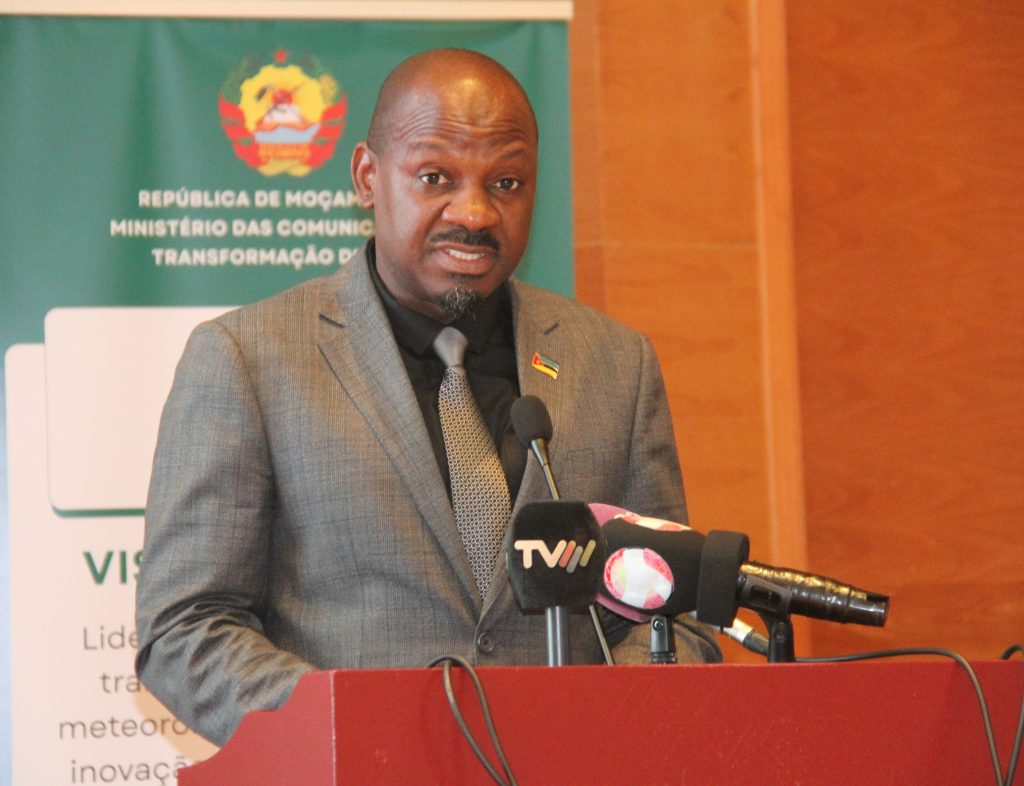
Speaking during the second session of the Technical Commission for Digital Transformation in Maputo, Impissa said that the upcoming three-year strategy must deliver practical results for ordinary users.
“Citizens must feel the direct impact of digital transformation in their daily lives. The process is designed to raise service quality and modernize state administration”, he said.
For his part, the Chairman of the Digital Transformation and Innovation Agency, Adilson Gomes, noted that public institutions must adopt a shared technical framework so that the state operates with a unified and coherent digital structure.
A primary component of the initiative is the “Portal Cidadão” (Citizen Portal), which awaits its official launch. The platform already hosts 26 public services and has registered more than 3,000 active users.
“The platform currently provides remote access to services from the National Road Transport Institute (INATRO), including driver’s licenses and vehicle registrations. It also provides remote access to services from the Tax Authority (AT) and from the business registration office, BAU”, Gomes explained.
The portal aims to enable citizens, including rural residents and the Mozambican diaspora, to apply for and receive official documents without visiting government offices in person.
The national agenda also includes the rollout of an Interoperability Portal to interconnect state databases, a centralized government payment gateway, the “Cloud Gov” platform, and a unified Government Data Center. These measures are expected to eliminate redundant investments, improve data management, and lower implementation costs.
The government also believes that digitizing services and payment channels will improve administrative transparency, minimize physical interactions between citizens and public servants, and reduce opportunities for corruption.
Financing remains a critical hurdle as existing digital projects are currently fragmented across multiple institutions and funded by disparate sources.
The Technical Commission expects to finalize and harmonize the Operational Plan for Digital Transformation over the next two to three months, at which point total implementation costs and performance targets will be published.
(AIM)
Lt/Zt/Am/