Maputo, 14 May (AIM) – Mozambique must increase investment in food fortification in order to combat micronutrient deficiencies and reduce malnutrition levels, according to the Ministry of Economy.
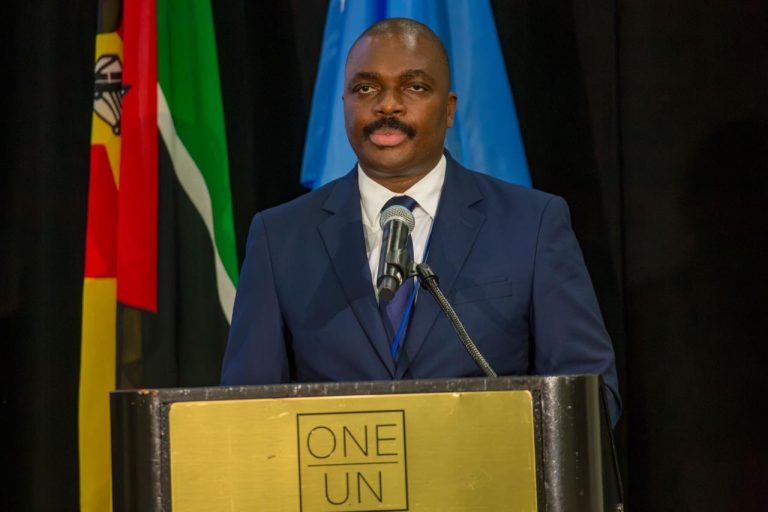
Speaking on Wednesday, in Maputo, at the Workshop on the Validation of the Cost-Benefit Study of Food Fortification in Mozambique, the National Director of Economy, Studies and Cooperation, Sheila Fernandes, there is a need to invest in addition of vitamins and minerals to mass-consumption products.
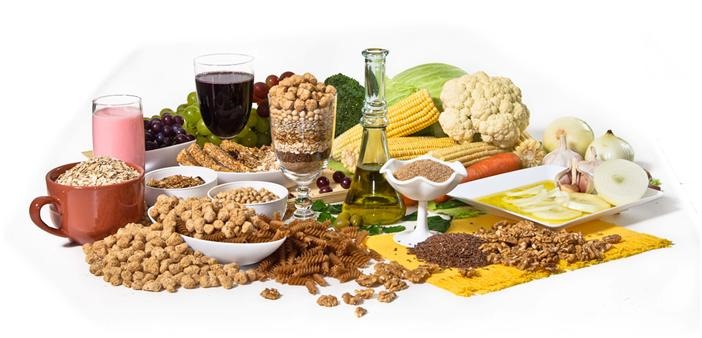
“The addition of vitamins and minerals to maize flour, wheat flour, sugar, cooking oil and iodized salt constitutes an exceptional and strategic investment for national development”, she said.
According to Fernandes, the validation study on food fortification is aimed at producing technical evidence capable of supporting decisions on strengthening the National Food Fortification Program.
“The study will also quantify the economic and social advantages of food fortification, allowing the government and partners to make more informed decisions about the implementation of the program”, she said.
Food fortification, she said, is a low-cost intervention with a high economic and social return, especially when compared to other public health measures.
She also highlighted the role of national industry in the production and distribution of fortified foods, saying that “in 2025, the country produced more than 13 million metric tons of fortified products, demonstrating the national capacity to meet domestic demand.”
“This result demonstrates the capacity of national industry to produce and distribute quality food, gradually moving towards the replacement of imports of the five mandatory fortification vehicles”, she said.
The products covered by mandatory fortification include corn flour, wheat flour, sugar, cooking oil, and iodized salt.
He explained that the progress achieved is the result of cooperation between the government, international partners, the private sector and civil society organizations.
“It is necessary for everyone to work together, sharing knowledge, information and resources to achieve more significant results in combating micronutrient deficiencies”, she said.
Sn/Ad/