Maputo, 28 May (AIM) – The Mozambican Ministry of Health (MISAU) has confirmed that there are no recorded cases of Ebola in the country, following the current outbreak of the disease in the Democratic Republic of the Congo (DRC) and Uganda.
In a statement, MISAU expressed its concern at the evolution of the Ebola outbreak registered since May 15 in the DRC, with cases also reported in Uganda. The World Health Organization (WHO) declared the outbreak a Public Health Emergency of International Concern on May 17.
“Mozambique has, at the National Institute of Health, laboratory capacity for testing and isolating the virus. Although the country is considered low-risk, the authorities continue to strengthen prevention and preparedness measures, in cooperation with regional and international organizations”, reads the document.
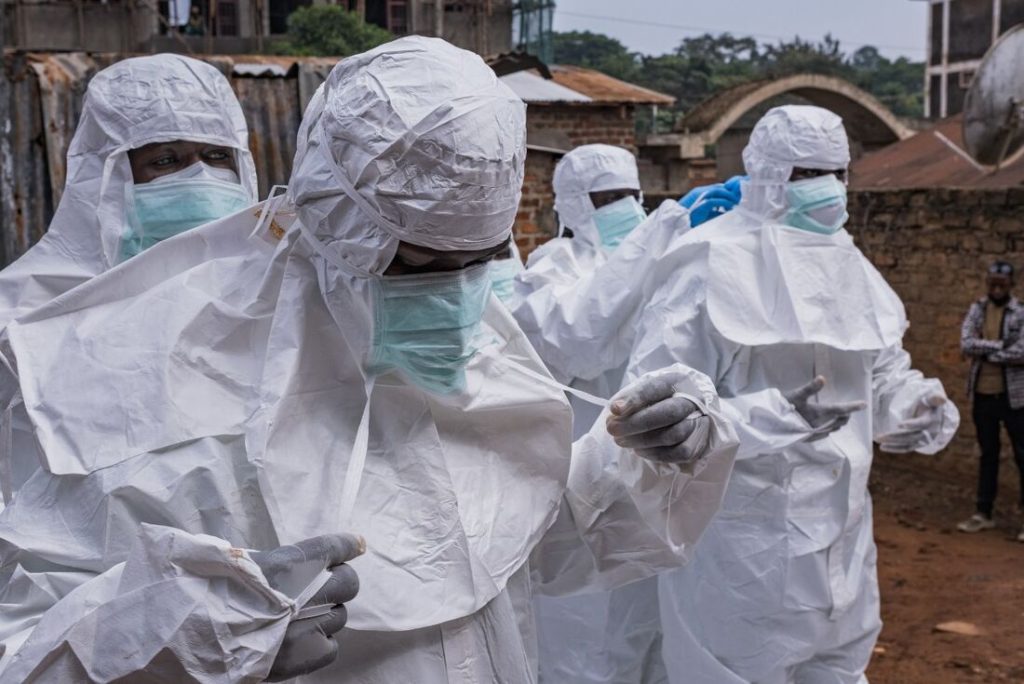
Among the ongoing actions are the intensification of surveillance in health units, communities, and points of entry. The heath authorities are also training provincial teams for the safe collection, processing, and transport of samples. “Simulation exercises are taking place in the northern provinces of Cabo Delgado and Niassa, and central province of Tete”, reads the note.
The document also adds that technical updates are underway for health professionals on the management of the disease.
The authorities also call on the population to seek information “through the official channels of MISAU and avoid misinformation. We also recommend strengthening preventive measures, with emphasis on regular hand washing, avoiding contact with sick people or bodily fluids, and seeking immediate medical assistance in case of suspected symptoms, especially after traveling to affected areas.”
Data from health authorities point out to 906 cases and 223 deaths registered so far, of which 899 cases and 222 deaths are in the DRC, while Uganda has seven cases and one death.
According to (WHO), Ebola disease is a severe, often fatal illness affecting humans and other primates. The virus is transmitted to people from wild animals (such as fruit bats, porcupines and non-human primates) and then spreads in the human population through direct contact with the blood, secretions, organs or other bodily fluids of infected people, and with surfaces and materials (e.g. bedding, clothing) contaminated with these fluids.
(AIM)
Am/