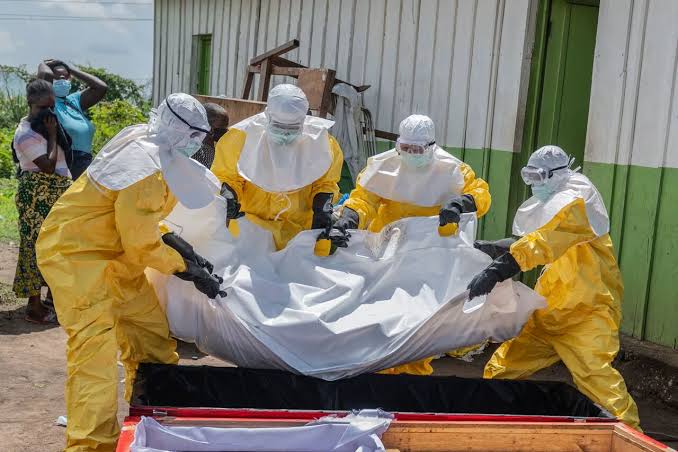
Maputo, 6 Jul (AIM) – The Mozambican Minister of Health, Ussene Isse, has guaranteed that the country has capacity to process up to 300 emergency tests of Ebola per day, in the current outbreak of disease, which has caused at least 506 deaths in the Democratic Republic of the Congo (DRC) out of 1,561 confirmed cases, alongside two deaths in Uganda.
According to the World Health Organization (WHO), Ebola disease is a severe, often fatal illness affecting humans and other primates. The virus is transmitted to people from wild animals (such as fruit bats, porcupines and non-human primates) and then spreads in the human population through direct contact with the blood, secretions, organs or other bodily fluids of infected people, and with surfaces and materials (e.g. bedding, clothing) contaminated with these fluids.
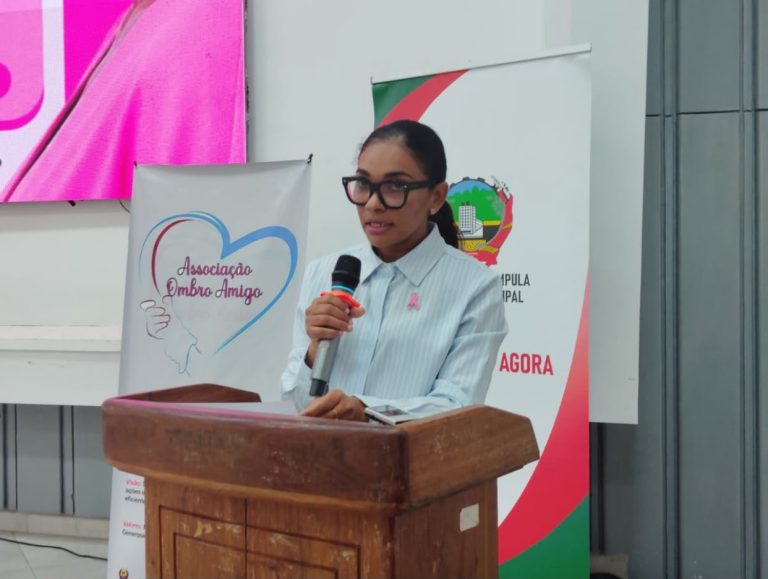
According to the minister, who was speaking to reporters during his working visit to the country’s National Institute of Health, in Marracuene district, southern in Maputo province, the emergence of new diseases require national health systems that are increasingly prepared to respond rapidly to health emergencies.
“We found that there is a significant established capacity to respond to these threats. We leave here very happy to see that we have the capacity to diagnose Ebola and conduct around 300 tests. We need to arise investigation this nature in our country”, he said.
However, the country’s authorities have not recorded any cases of Ebola.
According to the minister, INS currently has a workforce comprising approximately 35 PhD holders, 128 individuals with master’s degrees, and over 500 with bachelor’s degrees, “which demonstrates the country’s investment in human capital development.”
“The scientific knowledge produced here must serve to protect the health of Mozambicans, guide public policies, and strengthen national emergency response capacity,” he concluded.
He added that his visit confirmed that the country possesses the technical capacity to address World Health Organization (WHO) recommendations at a time when the African region continues to face outbreaks of emerging diseases.
SN/Am/
SN/Am/