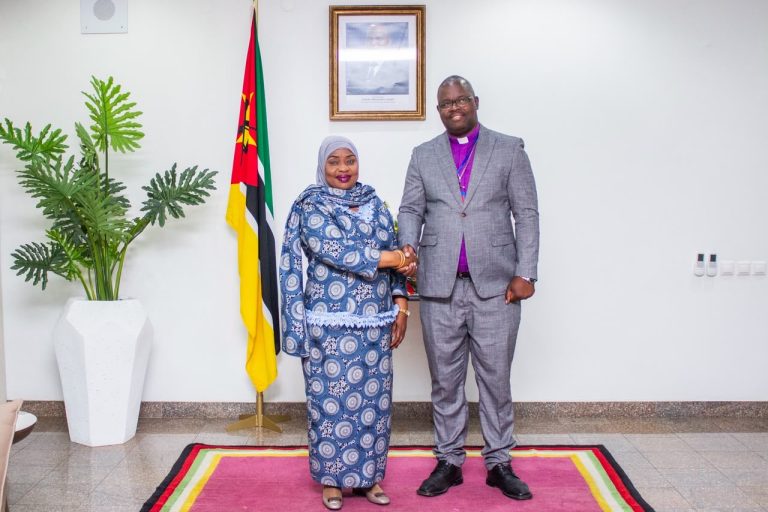

Maputo, 3 Jun (AIM) – Helen Lewis, the British High Commissioner to Mozambique, believes that security solutions alone will not end the conflict caused by islamist terrorism in the northern province of Cabo Delgado.
Since 2017, violent extremist attacks have been taking place in Cabo Delgado, where at least 6,200 people have been killed and over one million displaced. According to the United Nations High Commissioner for Refugees (UNHCR), since the conflict erupted, more than 1.3 million people in Mozambique have been displaced.
According to Lewis, cited in a statement, during her working visit to Pemba, capital of Cabo Delgado, a comprehensive and integrated response, led by the Mozambican government, is essential to address the root causes of the conflict and achieve lasting peace.
“We recognise that sustainable change requires going beyond humanitarian assistance and investing in responsible governance, investment, and active private sector engagement. We want to see Cabo Delgado become a place where investment flows, where businesses operate responsibly and where communities benefit from growth”, she said.
“That is why we are working directly with the private sector, including through the Voluntary Principles on Security and Human Rights”, she added.
The humanitarian situation in Cabo Delgado remains severe, with more than two million people affected by the conflict and in urgent need of assistance. Although around 500,000 people returned to their areas of origin in 2024, many remain dependent on humanitarian support due to the widespread destruction of homes, land and essential services.
The United Kingdom has been a consistent humanitarian partner in northern Mozambique, delivering Official Development Assistance primarily through the UN and local and international NGOs.
Since 2022, the UK has invested more than £20 million (26.9 million US dollars at the current exchange rate) in support of people affected by the conflict, “reaching over 150,000 people each year with access to food, water, shelter, basic healthcare and legal protection.”
Last August, a four million dollars allocation from the United Nations Central Emergency Response Fund “provided urgent assistance in food, shelter, protection and water, sanitation and hygiene (WASH) services to those most in need.”
Am/
Am/