
Maputo, 4 Jun (AIM) – The International Monetary Fund (IMF) forecasts Mozambique’s economic growth of 0.5 percent this year, representing a moderate recovery after the slowdown observed in recent years, influenced by internal challenges and uncertainties in international markets.
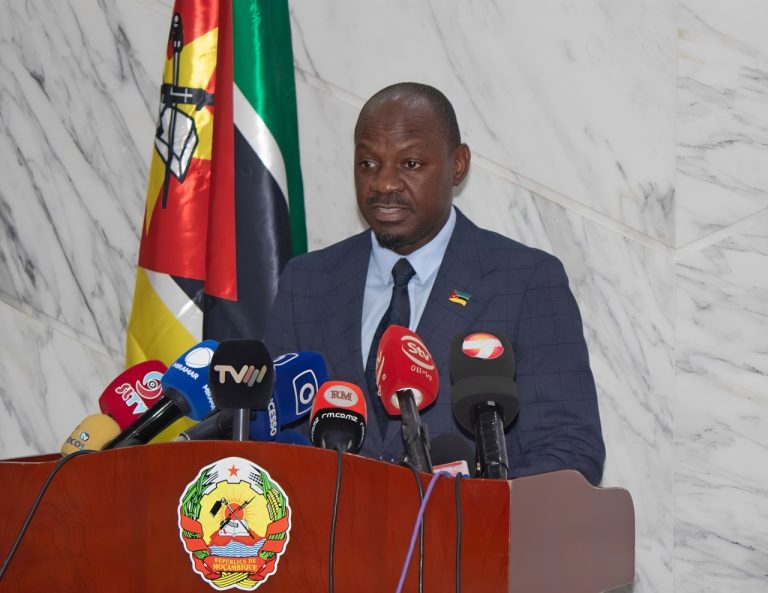
According to Olamide Harrison, IMF resident representative in Mozambique, speaking on Wednesday at a roundtable discussion on “Regional Economic Outlook and the Impact of Fuel Price shocks on the National Economy”, this macroeconomic projection was updated in light with the most recent data released by the country’s National Institute of Statistics (INE).
“We are working to incorporate the most recent information released by the National Institute of Statistics. The real economic growth rate has been revised from – 0.5 percent to just 0.2 percent, reflecting the slowdown in economic activity and the weak contribution of non-extractive sectors”, he said.
The IMF believes that the national economy could begin a gradual recovery trajectory next year, although risk factors persist. “We are still incorporating several elements that influence the economy, including the evolution of commodity prices in international markets”, he said.
According to Harrison, the dynamics of global prices, particularly fuels and other strategic commodities, will play a decisive role in the economic performance of African countries that export natural resources, including Mozambique.
As part of its support to countries in the region, the IMF reiterated the availability of various financial instruments aimed at strengthening macroeconomic stability and the external sustainability of economies.
“The IMF has several lines of financing available, some of which are already supporting countries in the region in managing their balance of payments challenges”, he said.
Harrison also said that Mozambique’s recent removal from the Financial Action Task Force (FATF) grey list is a positive sign “for the country’s credibility with international financial markets and investors.”
“IMF will continue to support the government’s efforts in implementing structural reforms, with a special focus on public finance management, strengthening tax administration, and improving economic governance”, he said.
However, the African Economic Outlook report, recently released by the African Development Bank (AfDB), forecasts growth of 2.1 per cent in the country’s Gross Domestic Product (GDP) in the 2026 financial year and 3.5 percent in 2027.
The document points out that the 2026 growth represents an increase of 0.2 percentage points compared to 2025. “This evolution will be driven by a recovery in the extractive sector, strong private consumption driven by higher incomes, and investment growth”, reads the report.
MR/Zl/Ad/