Maputo, 4 Jul (AIM) – Mozambique’s National Administration of Conservation Areas (ANAC) has launched a training program aimed at strengthening enforcement methods and leadership capacity within the transboundary conservation areas in southern Mozambique.
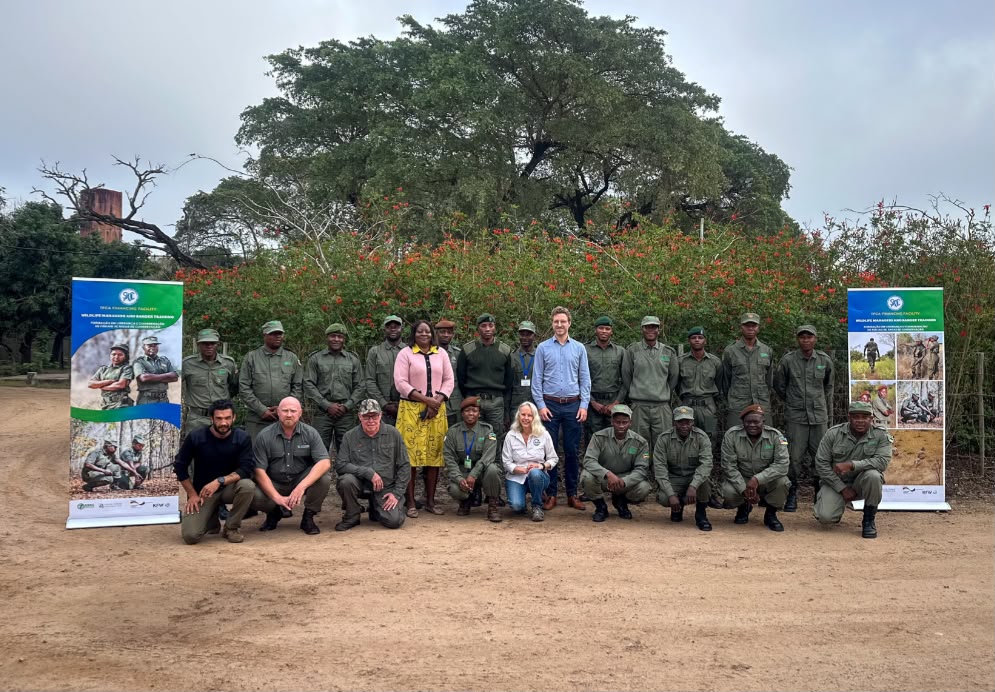
The program, which is being conducted at Maputo National Park, brings together over 40 managers and leaders from Maputo, Limpopo, Zinave, and Banhine National Parks, who are responsible for supervising approximately 378 rangers protecting some of the country’s most important conservation areas. The program runs until July 14.
This program marks the first operational activity of the new Southern African Development Community (SADC) Training Program for Managers and Rangers of Transboundary Conservation Areas (TFCAs), which has a regional budget of 50 million Euros (57.2 million US dollars at the current exchange rate).
The initiative is funded by the German Government through the SADC TFCA Financing Facility, implemented by the German Development Bank (KfW) and the International Union for Conservation of Nature (IUCN). Training delivery is managed by ANAC in partnership with the Peace Parks Foundation and the Southern African Wildlife College, South African organizations active in the conservation sector.
The areas covered by the project include the Great Limpopo Transboundary Conservation Area, including Limpopo, Banhine, and Zinave National Parks and the Lubombo Transboundary Landscape, which includes Maputo National Park. These landscapes link ecosystems across Mozambique, South Africa, and Zimbabwe, including Kruger and Gonarezhou National Parks.
According to Benjamim Jeromin, Deputy Head of Cooperation at the German Embassy in Mozambique, biodiversity conservation requires coordinated responses among the countries in the region.
“We are working closely with SADC because the challenge of environmental protection and conservation is a regional one. We also favor mitigation of human-wildlife conflict and supporting local communities. This program demonstrates the power of partnership and evidence-based strategies in strengthening on-the-ground conservation capacity”, he said.
The diplomat further explained that this is the first pilot run of the training program, designed following a needs assessment conducted in 2025, aimed at meeting the growing demand for personnel better equipped to manage transboundary conservation areas.
For her turn, Ndapanda Kanime, SADC Senior Officer for Natural Resources and Wildlife, investing in the training of rangers and managers is a strategic step toward strengthening regional conservation.
“The program is part of the regional strategy for the 2023–2033 period and addresses the need identified by member states to strengthen the technical and leadership capabilities of professionals working in protected areas. Investing in the capacity of managers and rangers is essential for the effective management and protection of our shared natural heritage,” she said.
However, she also said that these ecosystems face growing challenges, including poaching, habitat degradation, human-wildlife conflict, climate change, and pressure on natural resources.
“Rangers often work in difficult and dangerous conditions, performing duties that range from monitoring and law enforcement to supporting local communities and ensuring visitor safety. This program is a strategic investment in people, strengthening the leadership skills, management capabilities, and professional standards of protected area managers and rangers”, she said.
Speaking to AIM, Marta Mathe, a Forest and Wildlife Ranger at Limpopo National Park, hopes to gain knowledge that will help improve monitoring and enforcement mechanisms in a conservation area known for challenges regarding human-wildlife conflict.
“the knowledge will enable us to better manage human-wildlife conflict within Limpopo National Park. In addition to the training currently underway, the program includes the implementation of two pilot projects that will subsequently be expanded to other transboundary conservation areas in the SADC region.
(AIM)
PC/Am/