
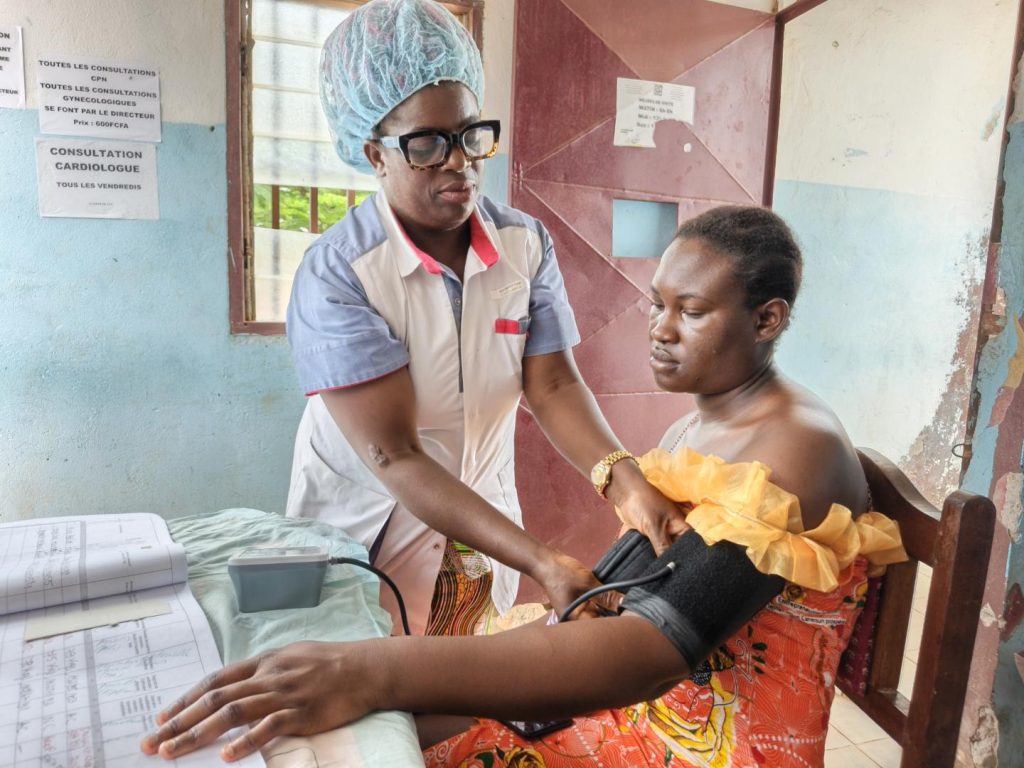
Maputo, 8 Jul (AIM) – The World Health Organization (WHO) calls on African countries to place chronic non-communicable diseases (NCDs) at the center of public policy, as their rapid spread is causing social premature deaths, particularly among those under the age of 70.
According to António Armando, the WHO Africa official responsible for integrating chronic disease management into primary health care, interviewed by AIM, failure to place NCDs at the center of public policy risks exacerbating the social, economic, and human impact caused by their rapid spread.
During the interview, which is part of the 3rd International Conference on the PEN-Plus Regional Strategy, scheduled to take place later this month in Dar es Salaam, chronic diseases currently constitute a global public health issue, affecting millions of people and causing premature deaths, particularly among those under the age of 70.
“About 35 ercent of deaths in the African region are attributed to chronic diseases. In some countries, such as Cabo Verde, these diseases account for approximately 70 percent to 75 percent of deaths”, he said.
These are cardiovascular diseases, diabetes, cancer, and chronic respiratory diseases, such as asthma and chronic obstructive pulmonary disease (COPD), along with other serious ailments requiring specialized care.
The WHO official noted that, for many years, these diseases were treated almost exclusively in tertiary care hospitals. However, in 2010, the WHO introduced the PEN package, designed to bring early diagnosis, treatment, self-care education, and palliative care into the primary health care setting.
“However, it was found that many patients presented with severe forms of disease that exceeded the capacity of local health centers. It was against this backdrop that PEN-Plus emerged. PEN-Plus is an enhanced version of PEN, designed for the treatment of severe chronic diseases at district hospitals”, he explained.
The strategy enables the treatment, closer to the communities, of patients with insulin-dependent type 1 diabetes, hypertensive crises, sickle cell anemia, rheumatic diseases, and other complex conditions.
According to Armando, this approach reduces the number of referrals to central hospitals, thereby minimizing delays that often lead to complications or death, particularly in rural areas.
“If we do not have these services available at the district hospital level, many patients end up developing complications and even dying. To make this possible, the strategy focuses on training professionals, developing clinical guidelines, providing equipment, and improving diagnostic and treatment facilities”, he said.
PEN-Plus was approved in 2023 by 47 Member States of the WHO African Region and is currently being implemented in 20 countries, including Mozambique. Despite the political consensus reached, António Armando acknowledges that significant challenges remain.
“The main challenge continues to be the political will to integrate this strategy into national health systems. Mozambique as one of 20 countries supported by the WHO in implementing PEN-Plus, was advised to develop a strategic plan to fully integrate this strategy into the National Health System”, he said.
The plan is intended to guide investments in infrastructure, professional training, procurement of equipment and essential medicines, and the expansion of specialized services.
PC/Am/