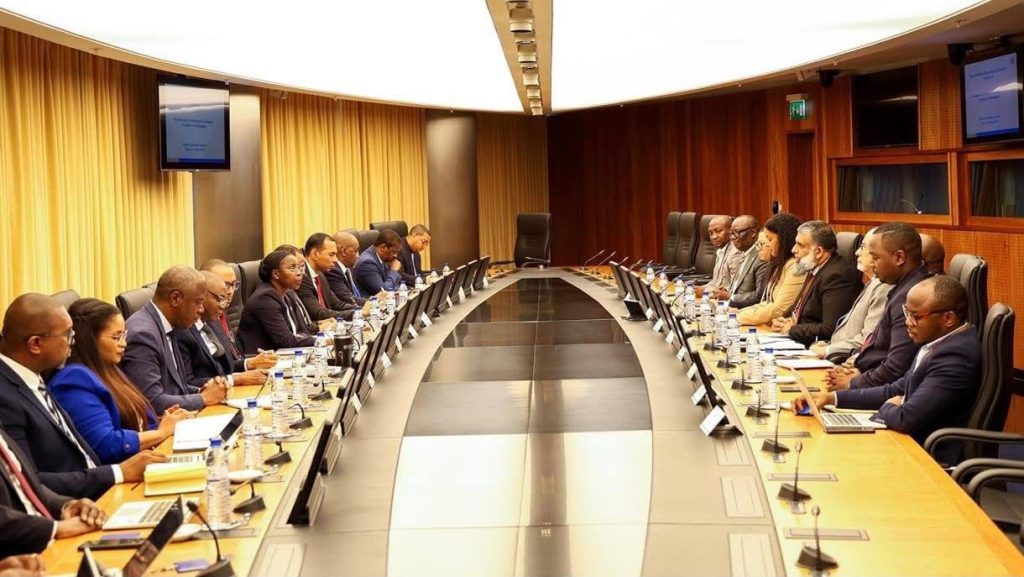
Maputo, 08 Oct (AIM) – The Bank of Mozambique, in its role as regulator of the national financial system, has introduced 18-month financing mechanisms, which are aimed at encouraging commercial banks to increase credit to companies involved in import substitution and export expansion.
The measure, which was announced during a meeting between the Central Bank and the country’s Confederation of Business Associations (CTA), is also aimed at boosting domestic production.
Under this mechanism, commercial banks will be allowed to deduct from their mandatory reserves an amount equivalent to new loans granted to eligible companies. Investment financing will use the 9.5 percent of the benchmark interest rate, known as the MIMO rate, as a reference, while working-capital loans will carry an additional margin.
The measure will also be supported by the Mutual Guarantee Fund, which is expected to help reduce the risks associated with lending to businesses and facilitate access to finance.
The initiative comes at a time when increased liquidity in the banking system has not resulted in a significant expansion of credit to the economy.
According to the Central Bank, the stock of credit has remained relatively stable despite reductions in interest rates, suggesting that access to finance is also affected by lending risks and constraints on credit supply.
The CTA welcomed the mechanism, but stressed that its effectiveness will depend on clear eligibility criteria, simple and speedy procedures and effective access to financing, particularly for small and medium-sized enterprises.
CTA also pointed out the need to disseminate the mechanism, identify eligible projects and monitor constraints affecting companies.
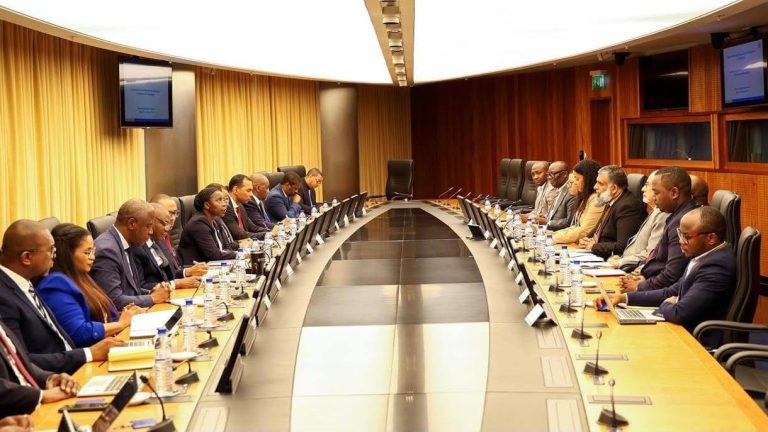
The mechanism was announced as the two institutions resumed formal dialogue on economic and private-sector issues through the CPMO+1 meeting, providing a platform to discuss recent economic developments, monetary policy decisions and concerns raised by businesses.
The meeting also addressed foreign-exchange market management. Both institutions agreed to maintain regular and more operational dialogue, with the aim of ensuring that concerns raised by the private sector are taken into account in the formulation, regulation and implementation of economic policy measures.
(AIM)
Zt/Am/