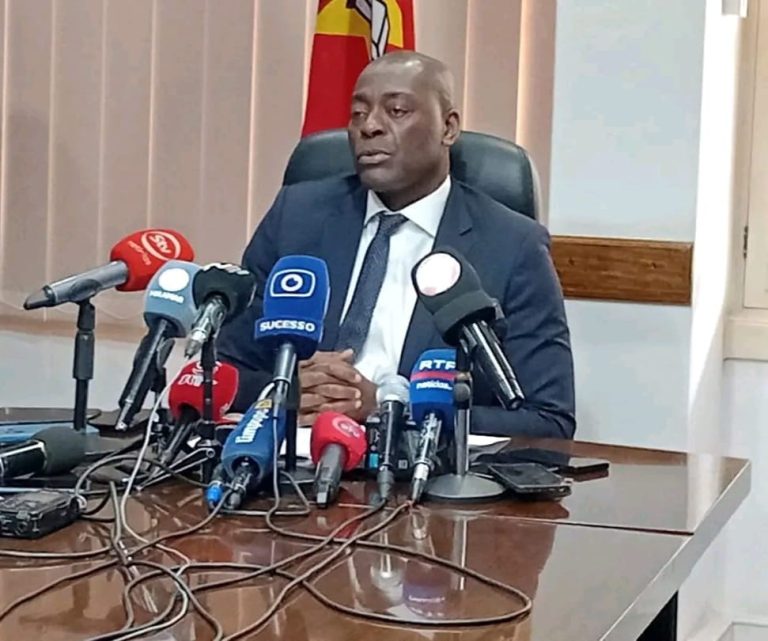
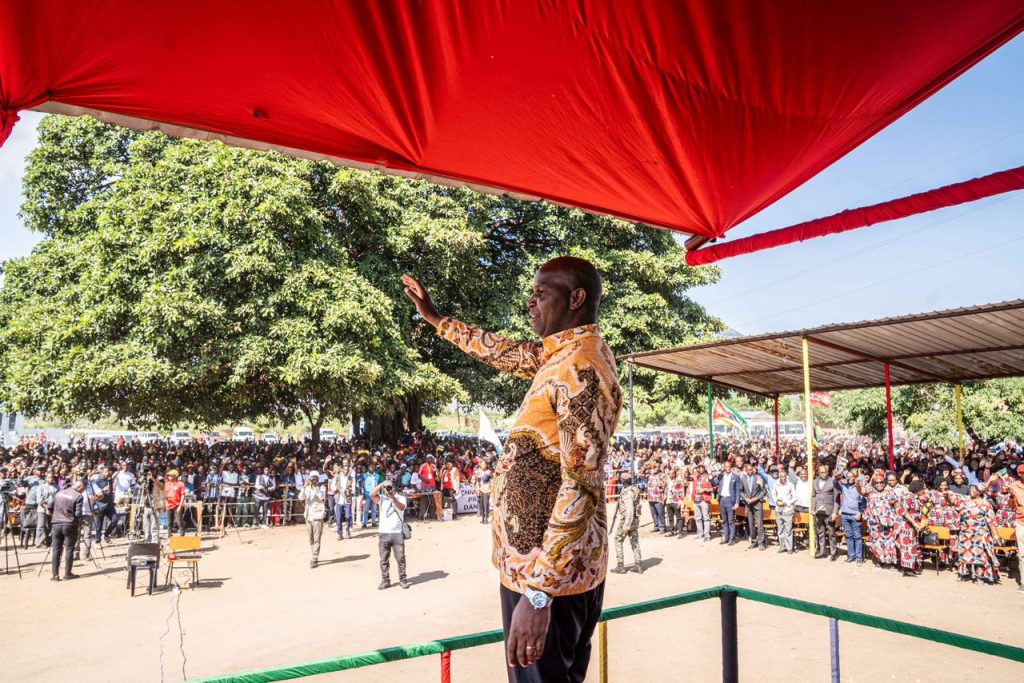
: Presidente da República, Daniel Chapo discursa no distrito de Chiúta, província de Tete
Maputo, 10 May (AIM) – Mozambican President Daniel Chapo has announced the delivery of 200 buses to mitigate the impact of increase in the prices of the main liquid fuels.
Recently, the country’s Energy Regulatory Authority (ARENE) announced an increase in the prices of the main liquid fuels by up to 45, 5 percent. The new prices took effect as of Thursday, worsening the country’s difficulties in fuel supply, with stations closed and widespread lines, as well as limits on the purchase of diesel or gasoline and a reduction in the supply of transport.
According to Chapo, speaking at a public rally in Mágoè district, central Mozambican province of Tete, the buses will be delivered on Monday to mitigate the crisis in Maputo city and province.
In order to reduce the fuel crisis, the President also said that the country will launch vehicular gas projects, as well as increase national storage capacity.
“The issue of fuel prices is not unique to Mozambique; it is a global issue, just as Covid-19 was. The country had managed to cushion some of the impact thanks to the strategic reserves held at its national ports, although the ongoing war [US-Israel war against Iran] demands further containment measures”, he said.
“With war in that area and the destruction of refineries, the world no longer has the same amount of fuel it had two months ago”, he added.
About 80 per cent of Mozambique’s fuel imports pass through routes connected to the Strait of Hormuz, which means that the impact of the war in the Middle East is potentially disastrous for the country’s economy.
“We will hand over 200 buses to serve the people, facilitate transport and minimize the impact of this crisis. The time has come for our gas to serve the people, therefore we will launch this year vehicular gas projects, initially in Inhambane”, he said.
“We are taking several measures to minimize the impact of fuel price increases on the lives of our people”, he added.
The government had also admitted that the fuel crisis in the country is related to shortage of foreign currency (particularly US dollars), which means that “the fuel is not making its way from the ports to the fuel pumps because the companies that own the pumps are facing treasury problems.”
(AIM)
NL/Ad/