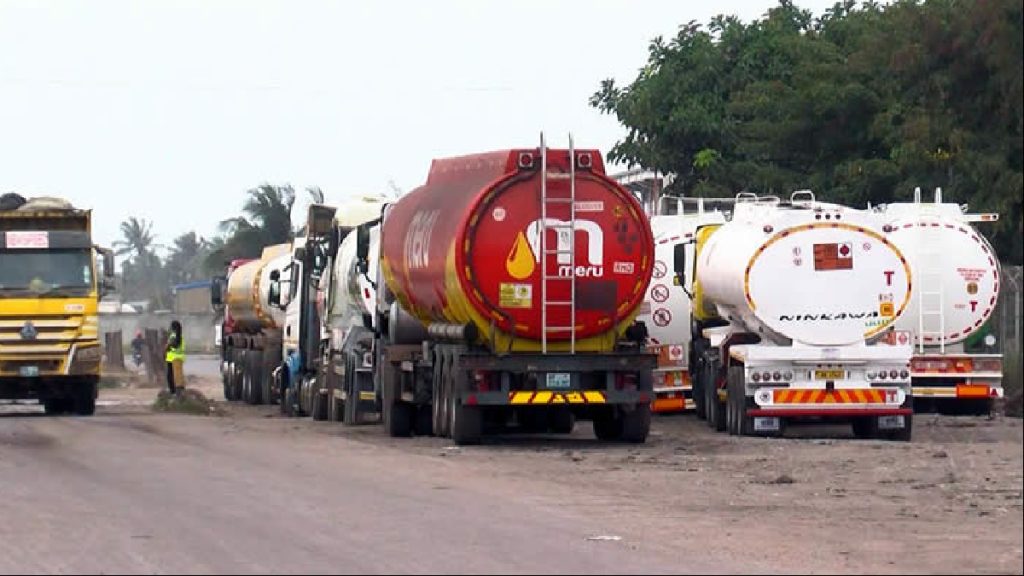
Maputo, 27 May (AIM) – Mozambique Police (PRM) has seized a truck carrying 40,000 litres of fuel in Malhampsene neighborhood, southern Matola city, suspecting that the cargo was destined for smuggling to neighboring South Africa.
The vehicle was intercepted on Monday when police officers were carrying out a routine inspection in Malhampsene neighborhood. During the inspection, authorities found several South African license plates inside the truck.
According to the official, the vehicle was intercepted during a routine inspection in the Malhampsene neighborhood, in southern Mozambique.
According to Police spokesperson, Carminha Leite, speaking to reporters, the driver claimed that he was transporting the fuel to Ressano Garcia, on the border between Mozambique and South Africa. The driver was detained and his vehicle was seized for further investigations.
The spokesperson also said that the operation demanded mobilization of officers from the National Criminal Investigation Service (SERNIC) and the National Migration Service “in order to assess the legality of the cargo and the operation associated with the transport of the fuel.”
“The police are working to locate the owner of the truck, as well as the owner of the company, for further investigation”, she said.
This case occurs at a moment when the government, through the country’s Energy Regulatory Authority (ARENE), has just decided to increase the price of the main liquid fuels by up to 45, 5 percent.
For several weeks, the country faced difficulties in fuel supply, with stations closed and widespread lines, as well as limits on the purchase of diesel or gasoline and a reduction in the supply of transport. However, in recent days, it seems that the situation is under control, although some filling stations are still facing fuel shortage.
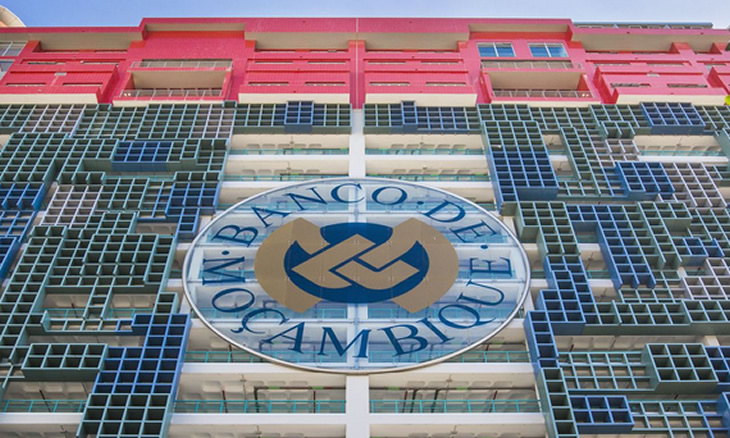
Recently, the governor of the Bank of Mozambique, Rogério Zandamela, said that fuel shortage, which caused long queues of vehicles at filling stations in Maputo and other cities, was also related to the bankruptcy of fuel distributors and the shortage of foreign currency, particularly US dollars.
Under normal circumstances, fuel distributors use bank guarantees, denominated in US dollars, to pay for the fuel they order at the ports. Some distributors are unable to acquire these guarantees from the commercial banks.
Zt/Am/