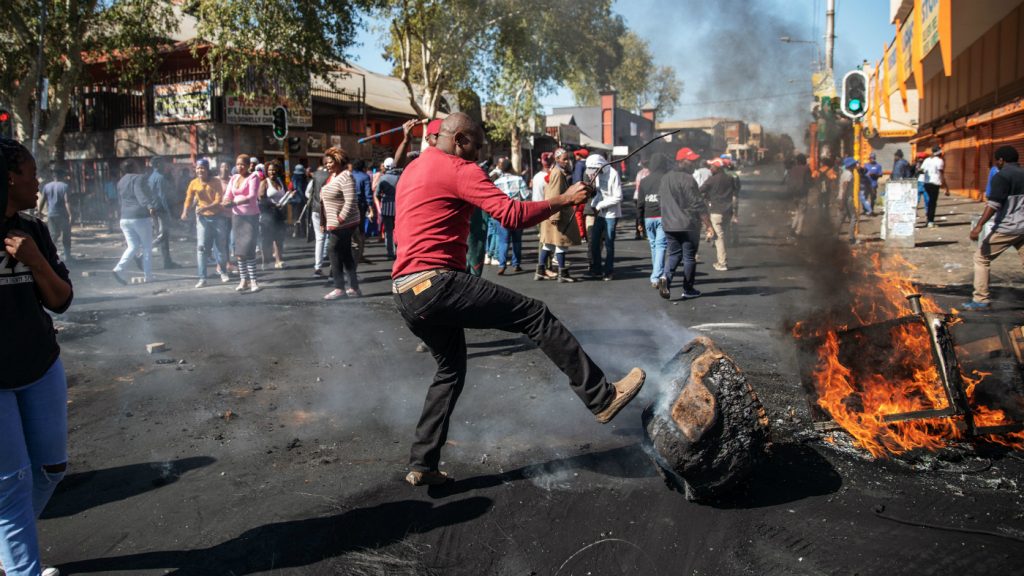
Maputo, 3 Jun – The number of Mozambican nationals killed in xenophobic attacks committed by South African citizens has risen from seven to nine.
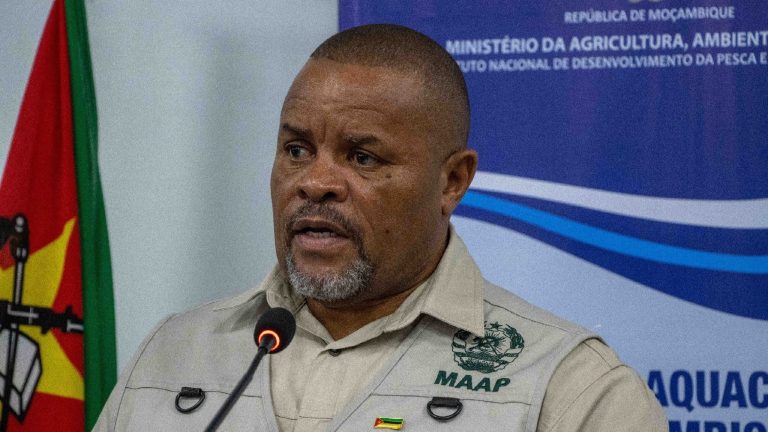
According to government spokesperson and Minister of Health, Ussene Isse, who was speaking to reporters on Tuesday, in Maputo, after the meeting of the Council of Ministers (cabinet), the xenophobic attacks have caused the death of nine Mozambicans and at least 874 citizens have been affected in an escalation of violence “that is leading hundreds of people to return to the country.”
“The situation continues to be a cause for concern, especially due to the circulation of threats directed at foreign citizens residing in the KwaZulu-Natal province, where they were allegedly given a deadline of June 30th to leave the region”, he said.
In response to the situation, the said, the government has activated response and assistance mechanisms shortly after the start of the attacks last Friday.
“A multi-sectoral team was assembled, involving the Ministry of Foreign Affairs, the National Institute for Disaster Risk Reduction and Management (INGD), the Migration Services, the High Commission, and the Consulate of Mozambique in South Africa”, he said.
He explained that the objective is to assess the scale of the crisis and prepare a coordinated response to welcome citizens seeking to return to the country.
To date, several Mozambicans have registered with the Consulate of Mozambique in Durban, formally expressing their intention to return to the country. The government anticipates the immediate entry of over 300 citizens through the Ressano Garcia border crossing, the main land gateway between Mozambique and South Africa.
To ensure transport for those affected, six buses with a capacity of 60 passengers each and 12 minibuses have been mobilized, in an operation coordinated by South African authorities in collaboration with Mozambican institutions.
Upon their arrival at the Ressano Garcia border crossing in Maputo Province, the Mozambicans undergoing forced return to the country receive two food kits, one for their immediate use and another for the first 10 days of their resettlement in their areas of origin.
In the first phase, the government plans to repatriate approximately one thousand Mozambican citizens. Currently, 584 people are housed in community shelters in South Africa due to the insecurity caused by the attacks.
Isse also assured that the Government will maintain daily communication on the evolution of the situation, in order to guarantee updated information to families and the public.
In recent months, various South African nationals have been carrying out anti-migrant protests against Africans, including Mozambicans. The focus of these xenophobic acts, which have been recurring, has been black Africans. Discrimination against foreign nationals has also been leading to looting, displacement, harassment, and deadly riots, in informal settlements.
According to government data, over 300,000 Mozambicans reside in South Africa. South Africa is Mozambique’s largest trading partner in the Southern African Development Community (SADC), with trade ranging from 1.7 billion US dollars to two billion annually. Border traffic is intense, with 1,700 to 2,000 trucks crossing the borders daily, in addition to a strong informal cross-border trade.
(AIM)
MR/Am/