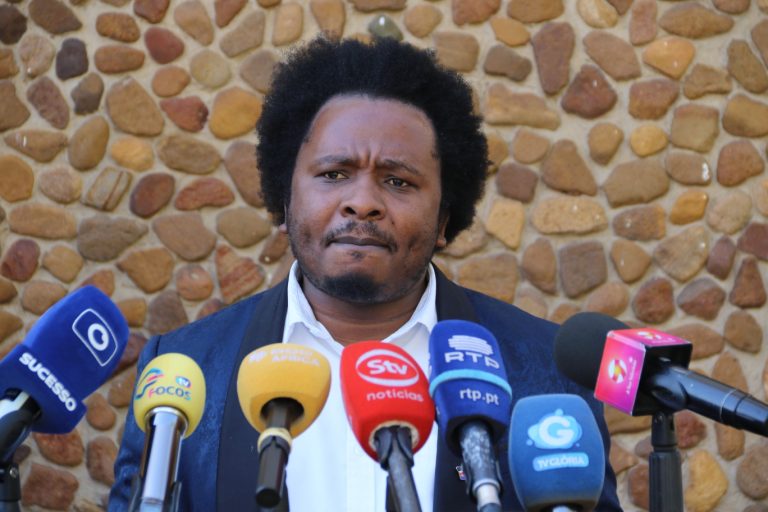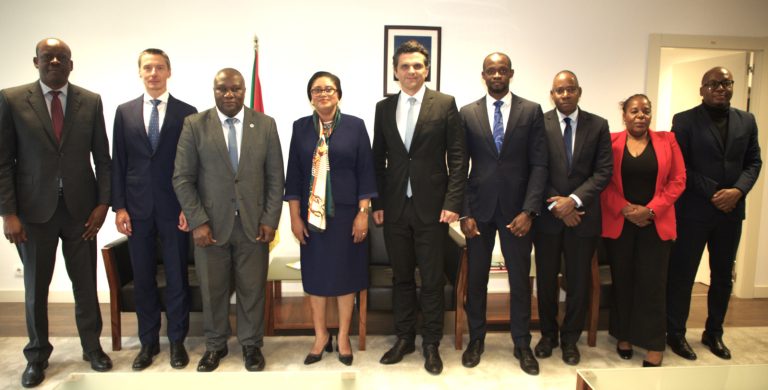
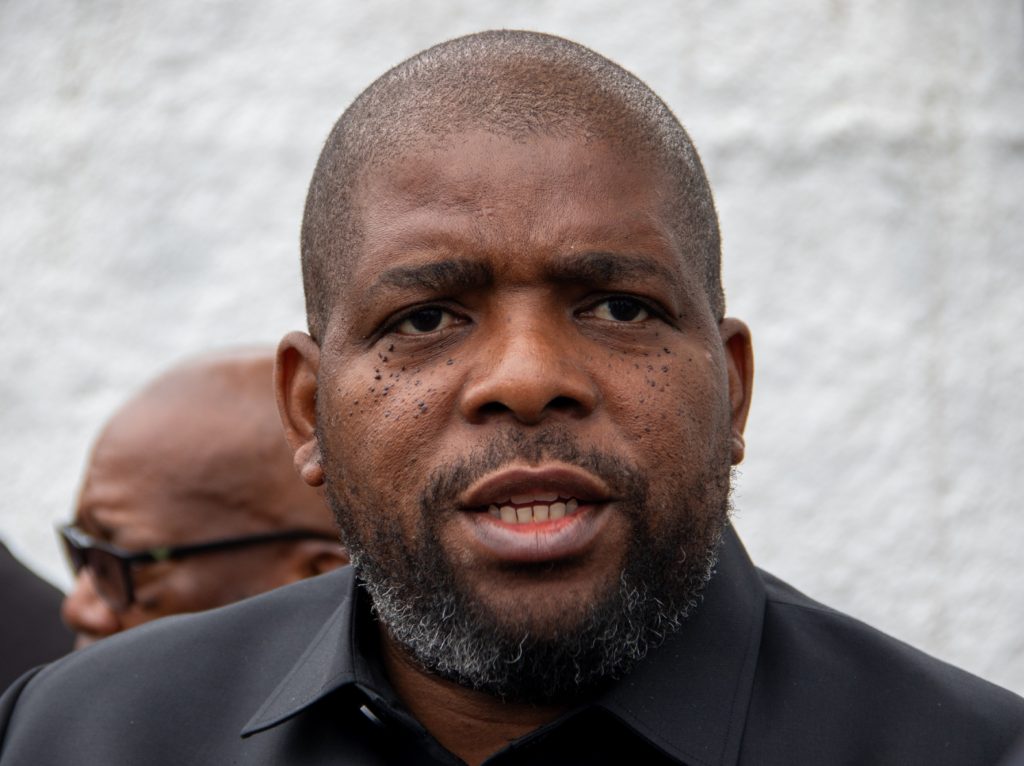
Secretário-Geral da FRELIMO, Chakil Aboobacar. Foto de Carlos Júnior
Maputo, 19 Jun (AIM) – The Mozambican ruling Frelimo party believes that the wave of xenophobic attacks committed by South African citizens against black Africans does not reflect the official position of the South African government.
According to the Frelimo Secretary-General, Chakil Aboobacar – speaking to reporters during the reception of Fikile Mbalula , his South African counterpart from the African National Congress (ANC) – governments of both countries are deepening the dialogue tensions.
“Illegal immigration is a global problem and must be treated as such. The responses to the phenomenon should prioritize mechanisms that promote coexistence and respect human dignity. Frelimo and ANC expressed their opposition against the xenophobic attitudes”, Aboobacar said.
The focus of these xenophobic acts has been black Africans, including Mozambicans. Discrimination against foreign nationals has also been leading to looting, displacement, harassment, and deadly riots, in informal settlements.
At least nine Mozambican nationals have been killed in the current wave of discrimination, and at least 874 citizens have been affected in an escalation of violence “that is leading hundreds of people to return to the country.”
According to Aboobacar, the acts of violence are promoted by specific groups acting against the principles of human rights and in contradiction with South African legislation.
“The situation must be monitored closely to avoid creating tension in the historical relations of friendship and cooperation between Mozambique and South Africa. Our counties are collaborating to seek solutions to the challenges associated with illegal immigration”, he said.
For his part, the ANC Secretary-General said that his government is against any xenophobic persecution “because such tendencies are inhumane.”
“We accept that people protest against illegal immigration and drug cartels; however, we have been very clear that we do not support attacks. The President of South Africa made a public statement a few days ago, which was followed by concrete action on this matter,” Mbalula said.
The Director-General of the World Health Organization (WHO), Tedros Ghebreyesus, also condemned xenophobia claiming that “this tragic betrayal of South Africa’s historic struggle for freedom and justice. Disagreements and grievances should be resolved through the justice system and the rule of law, never through violence by paramilitary groups and collective punishment.”
Am/