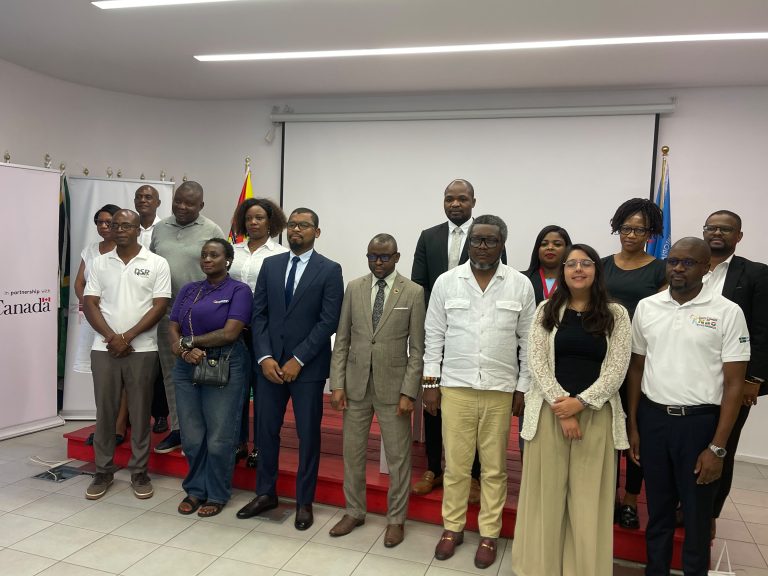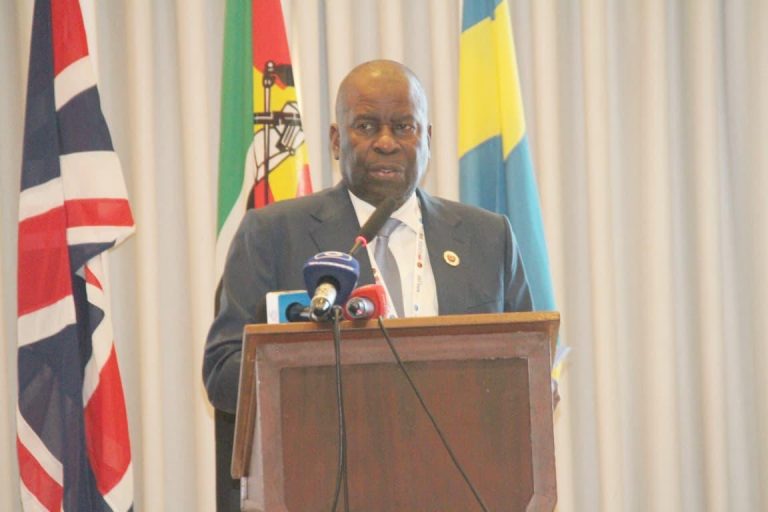
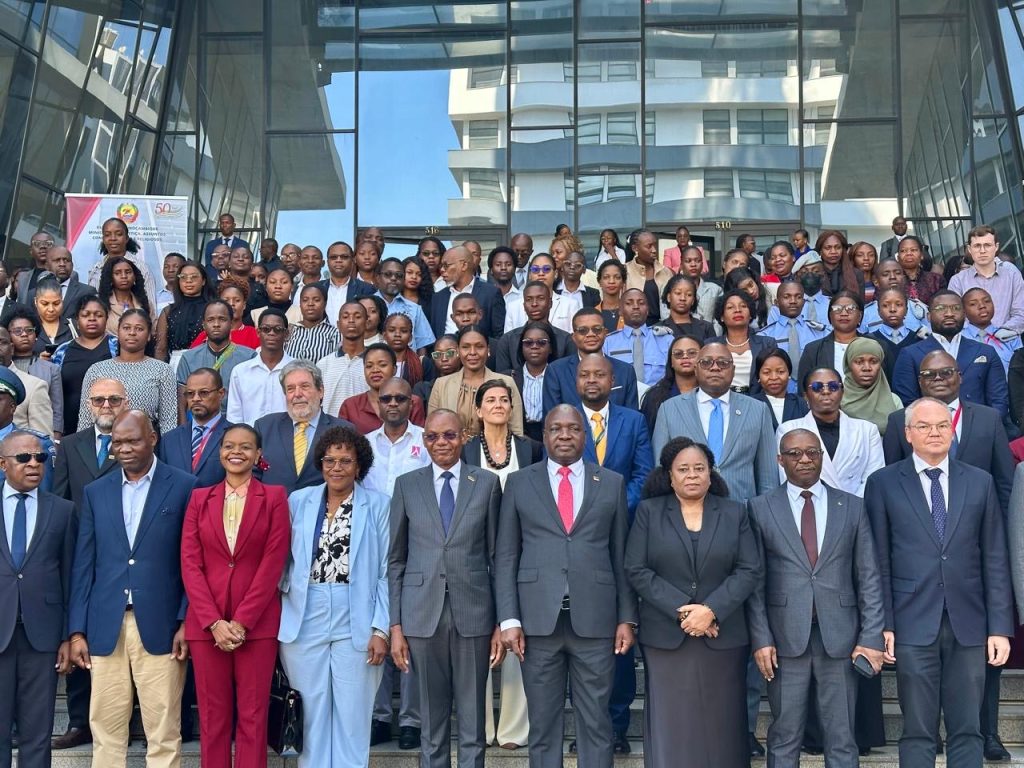
Maputo, 16 Jul (AIM) – Strengthening professionalism, transparency, and accountability in Mozambique’s public institutions is crucial for tackling transnational crime and other security challenges, according to the Interior Minister, Paulo Chachine.
Speaking on Wednesday at the opening of the National Conference on the Future of Transitional Justice in Mozambique, transparency and accountability must be framed within the context of transitional justice and peace consolidation in Mozambique.
“Transitional justice requires institutions capable of responding to current security challenges, including the fight against transnational crime, without neglecting respect for citizens’ fundamental rights. The actions of the Police must continue to be grounded in the principles of legality, necessity, proportionality, and respect for human rights”, he said.
He also advocated for enhanced training for officers in areas such as conflict mediation, community policing, and the democratic management of public order.
For his part, the Justice Minister, Mateus Saize, said that truth, accountability, and reparation for victims are pillars of transitional justice and national reconciliation.
The minister identified violent extremism in the northern province of Cabo Delgado and the 2024 mass demonstrations that emerged as result of an alleged electoral fraud as key challenges, advocating for strengthened conflict prevention and greater trust between citizens and state institutions.
The Executive Director of the NGO, the Centre for Democracy and Human Rights (CDD), Adriano Nuvunga, argued that there can be no reconciliation without truth, noting that trust is indispensable for democracy, the rule of law, and lasting peace.
“This State should contribute to promoting truth, reconciliation, accountability for victims of police violence during the 2024 protests. There is need to guarantee reparation for victims, as well as establishing guarantees to prevent the recurrence of situations of violence and conflict”, he said.
Lt/Am/