Maputo, 19 Nov (AIM) – Mozambique’s Confederation of Business Associations (CTA) has recorded a slight improvement of the Business Robustness Index, rising from 27 to 28 percent, driven mainly by the agricultural marketing campaign and the recovery in tourism activity.
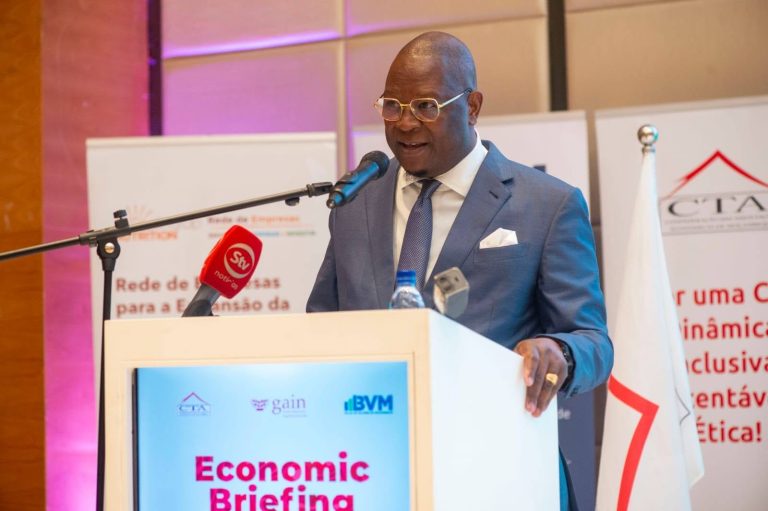
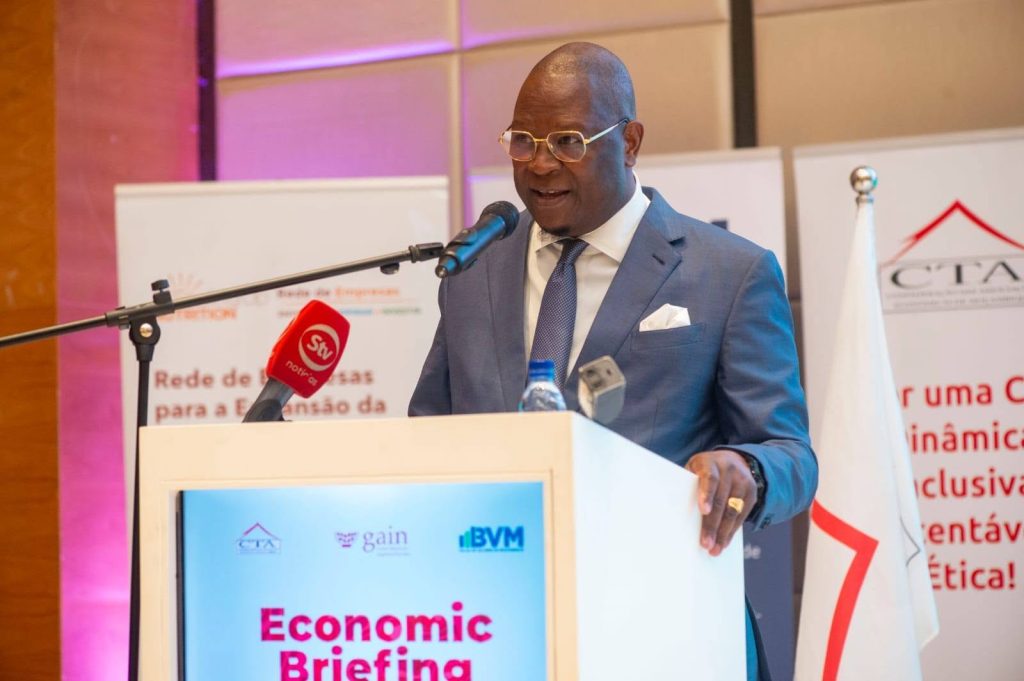
According to Álvaro Massingue, chairperson, speaking on Wednesday at the 23rd edition of the CTA’s Economic Briefing in Maputo, Mozambique’s companies remain fragile, despite improved performance indicators, due to ongoing challenges with foreign currency, fuel and logistics costs.
Presenting the results of the Business Robustness Index for the third quarter of 2026 and the economic outlook for the coming months, Massingue explained that the country’s economy showed a slight improvement, which occurred against a backdrop of a challenging macroeconomic environment.
The relevant index, he said, fell from 58 to 56 percent, mainly reflecting the rise in inflation from 4.29 to five percent. “The macroeconomic environment presents opportunities to strengthen the sustainability of the business recovery, although the benchmark interest rate, known as the MIMO rate, remained at 9.25 percent and the Prime Rate at 15.5 percent, respectively”, he said.
Massingue also noted that costs exceed companies’ revenues, although the average loss per unit of production has declined, a situation that continues to limit investment capacity and the creation of permanent jobs.
“Agriculture recorded the best performance, with the index rising from 29 to 32 percent, while industry continues to seek solutions to foreign currency, energy and logistics costs, and fuel-supply challenges”, he said.
On the other hand, he said, tourism and the hotel, accommodation and catering sector, benefited from the start of the high season and increased demand, although cost pressures continue to limit the recovery of companies’ profit margins.
“The Employment Trends Index rose from 112.58 to 117.93 percent, and the proportion of firms intending to recruit increased from 29.2 to 30.7 percent. Recruitment intentions continue to show a positive trend, reflecting a gradual improvement in business expectations,” he said.
According to Massingue, the outlook is positive and it is driven by the sectors of agriculture and tourism, as well as by the natural gas projects in the Rovuma Basin, “although risks remain because of inflation, fuel prices and uncertainties in the international context.”
Am/