Maputo, 27 May (AIM) – The United Nations Office for the Coordination of Humanitarian Affairs (OCHA) will disabuse 1.7 million Euros (1.9 million US dollars at the current exchange rate) to support actions against cholera in Mozambique.
The measure is part of the new United Nations (UN) Anticipatory Action Framework for Cholera in Mozambique.
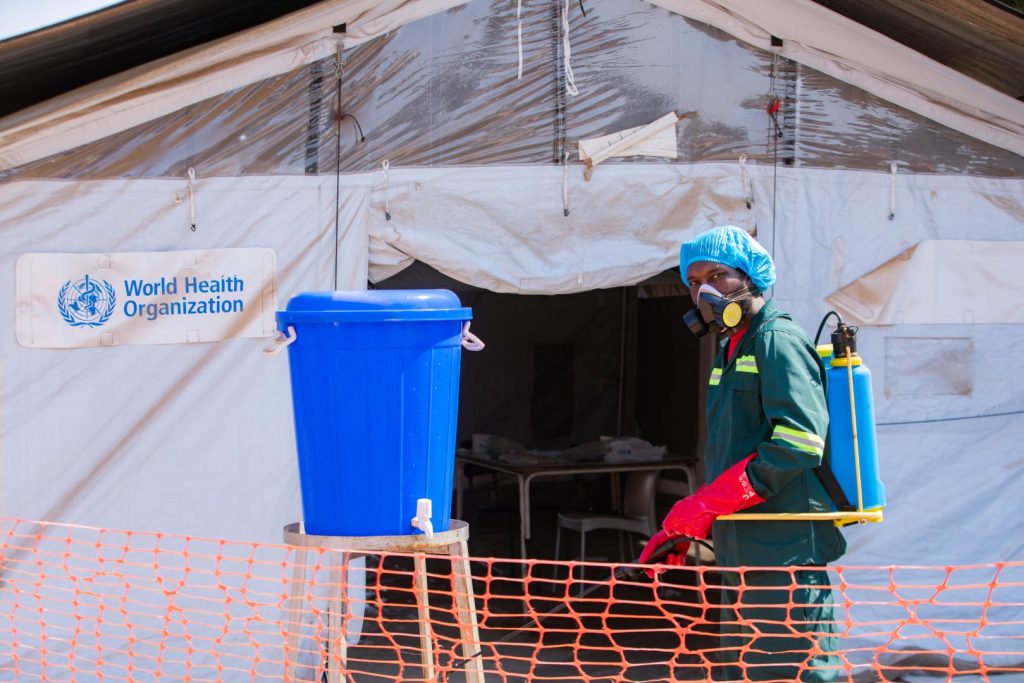
In a statement, OCHA explains that the measure establishes a mechanism linking epidemiological data to immediate funding, enabling early action to prevent larger crises, as “cholera remains a serious public health threat in Mozambique, with recurrent outbreaks linked to inadequate access to clean water, poor sanitation, and extreme weather events such as cyclones and floods.”
According to the document, Mozambique recorded 48,751 cholera cases across 93 districts between 2022 and 2024, marking the country’s largest outbreak in two decades, with transmission continuing in subsequent years.
“The objective of this framework is to enable rapid, coordinated anticipatory action to reduce the scale and severity of potential large, out-of-the-ordinary cholera outbreaks in Mozambique. By acting during the early stages of abnormal transmission patterns—before outbreaks escalate—partners aim to prevent large-scale spread, reduce mortality, and protect vulnerable communities”, reads the note.
The project development process, the document says, was led by the Resident and Humanitarian Coordinators, the Ministry of Health (MISAU), the National Institute of Health (INS), United Nations Children’s Fund (UNICEF), and World Health Organization (WHO). “Clusters and local partners such as the Mozambique Red Cross were also consulted”, reads the document.
A joint team consisting of UNICEF, WHO and OCHA will coordinate the response alongside the Mozambican authorities.
According to the latest bulletin from the National Directorate of Public Health, covering the period from 3 September to 18 May, the country recorded 9,038 cases of cholera. The northern province of Nampula recorded the highest number of cases (3,925).
Am/