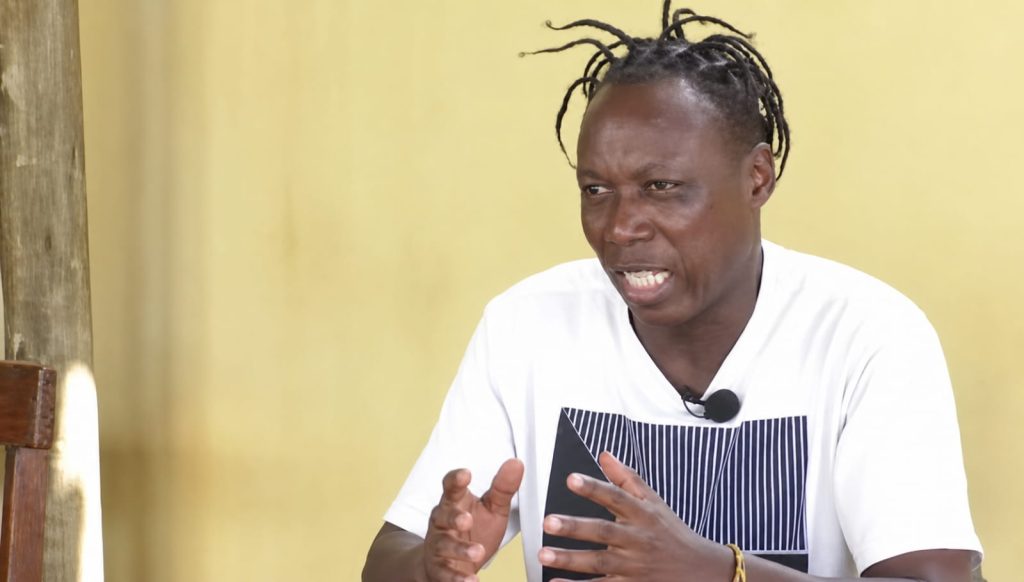
Maputo, 19 Jun (AIM) – Mozambique’s Network of Human Rights Defenders (RMDDH) condemns the seizure of working tools belonging to Estácio Valoi, an investigative journalist based in the northern province of Cabo Delgado.
The journalist, who works for the portal “MOZ24h”, had his electronic equipment (including mobile phones, computers and tablets) seized following a warrant issued by Pemba City Judicial Court.
The warrant, which went viral on social media, dated May 25th, does not mention the reasons for the seizure. However, the journalist confirmed to have received the document from members of the country’s Criminal Investigation Service (Sernic), who also told him “to delete an article about an investigation into timber smuggling carried out in 2025.”
“Given the seriousness of the situation, RMDDH demands public clarification regarding the grounds that motivated the search and seizure carried out at the residence of journalist Estácio Valoi, and clarification of the allegations concerning the elimination of journalistic content and information during the execution of the search warrant”, reads the statement.
According to the note, it is “legitimate” to question the Court’s decision because it impacts journalistic activity in the country, given that “Valoi investigated an alleged attempt to export 111 containers of timber through the Port of Beira, in central Mozambique.”
The organization also calls on the authorities to provide guarantees that the seized material will be handled in accordance with the law, “respecting professional secrecy and the protection of sources.”
“An independent investigation must be opened to assess any excesses or irregularities during the operation. The case must be monitored by competent national institutions, including the National Human Rights Commission and regional and international mechanisms for the protection of press freedom”, reads the document.
“RMDDH understands that the events recorded cannot be analyzed in isolation. These facts are part of an increasingly worrying national and regional context, marked by the growing use of judicial, procedural and administrative mechanisms against journalists, activists and human rights defenders”, reads the document.
The prominent Mozambican journalist, Tomas Vieira Mario, though his Facebook account, also condemned the seizure of Valoi’s belongings, claiming that “judicial harassment of journalists is one of the most corrosive forms of intimidation against those who, based on the press law, seek to bring to light uncomfortable truths about the shadowy depths of large-scale corruption.”
According to Mário, Valoi has been a victim of these strategies for years, “in which judges allow themselves to be transformed into disguised agents of censorship.”
Am/