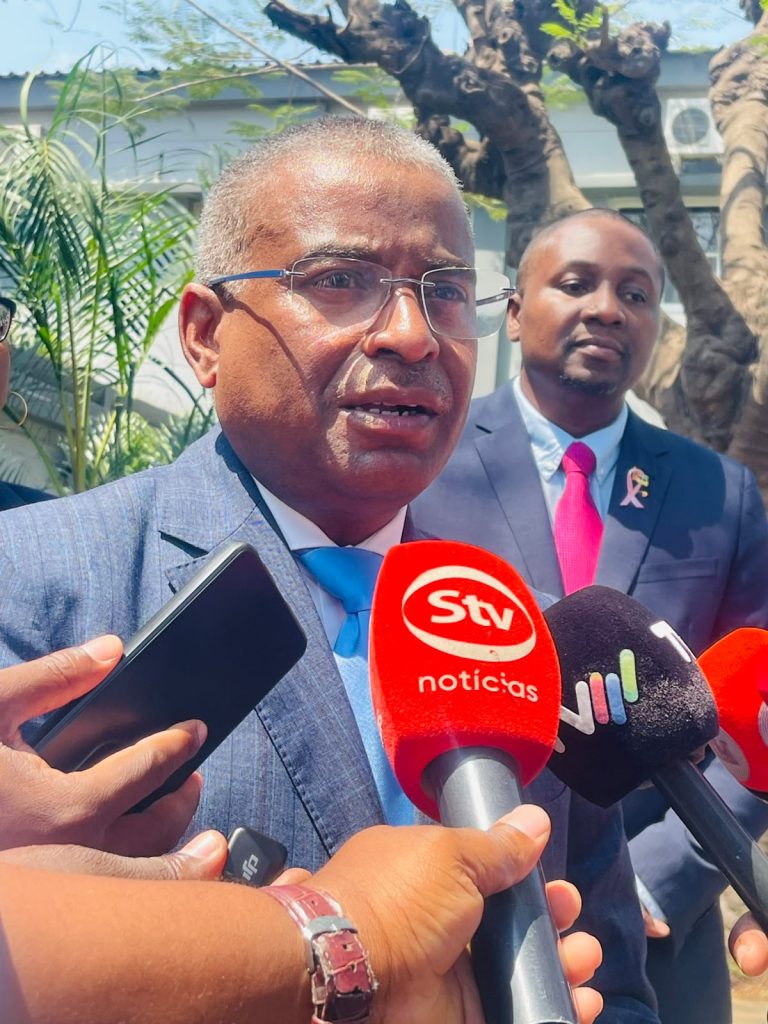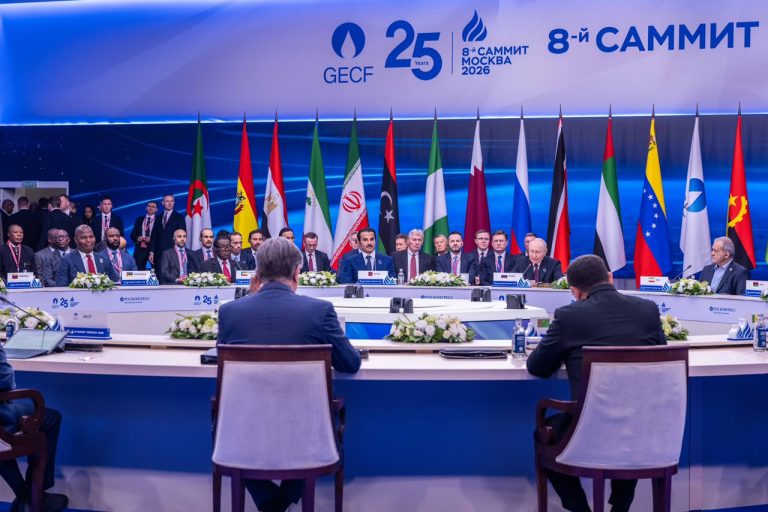
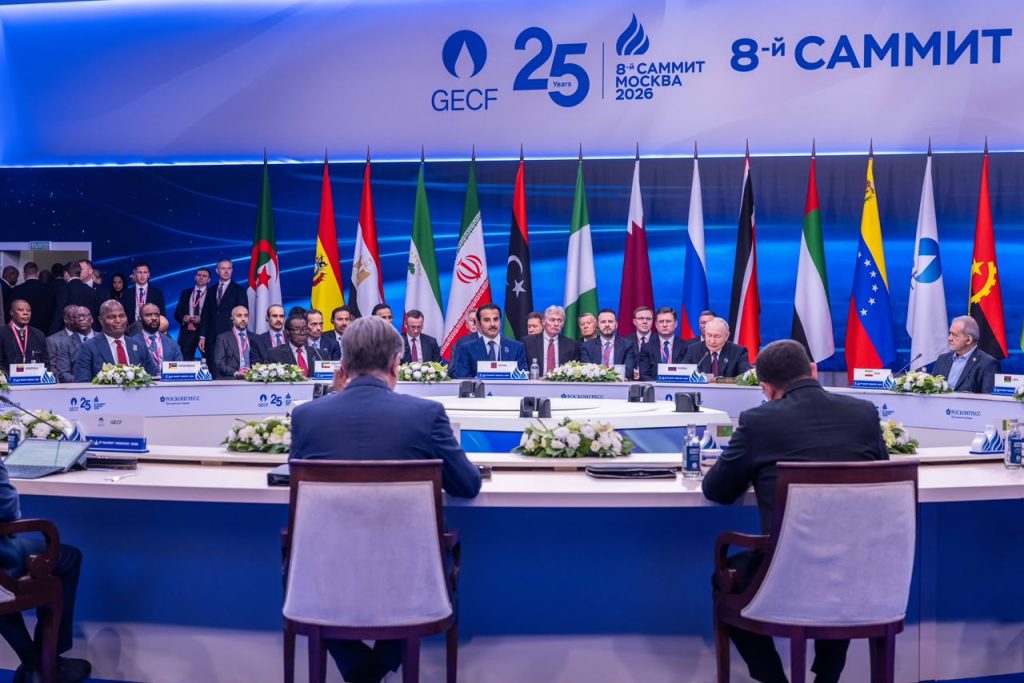
Maputo, 28 Oct (AIM) – Mozambican President Daniel Chapo calls for greater coordination between natural gas-producing and consuming nations given the growing challenges to global energy security.
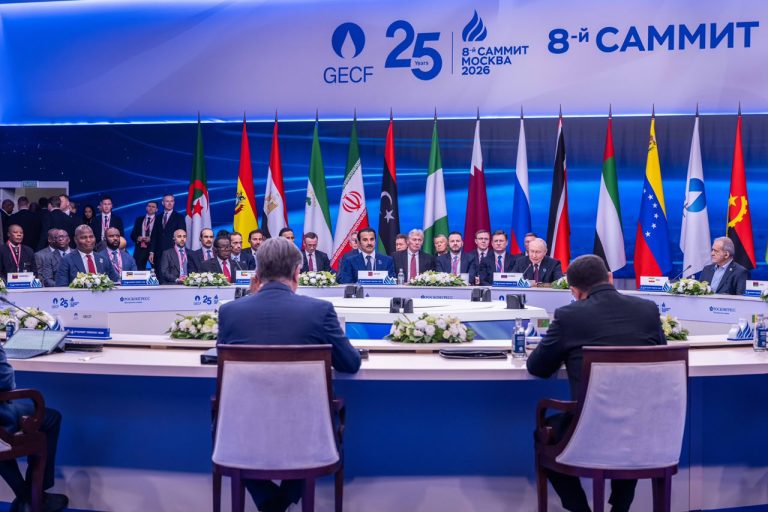
Speaking on Tuesday at the 8th Summit of Heads of State and Government of the Gas Exporting Countries Forum (GECF), which is taking place in Moscow, Chapo said that energy security relies on stable markets, reliable suppliers, and relationships of trust among stakeholders in the sector.
The President revealed Mozambique is developing projects that could increase its export capacity to over 35 million tonnes per year. Therefore, it is crucial to strengthen dialogue and consultation between producers and consumers, ensuring that the energy sovereignty of some is not achieved at the expense of the energy insecurity of others.
Chapo asserted that energy plays a central role in global security, economic stability, and national development, while advocating for the continued contribution of natural gas to the global energy supply.
“More than just a strategic commodity, gas should serve as a bridge toward understanding and prosperity among nations. Africa cannot continue to be a continent that lights up other parts of the world while millions of its own citizens remain in the dark, he said.
Addressing Mozambique’s participation in the international market, Chapo noted that the country joined the GECF (Gas Exporting Countries Forum) as an observer in 2022 and subsequently began exporting liquefied natural gas (LNG) sourced from the Rovuma Basin.
The development of new structural projects, he said, could increase Mozambique’s export capacity to over 35 million tonnes per year, consolidating the country’s presence in the international gas market.
The leader also highlighted the supply of natural gas to countries in the region, most notably South Africa, which has been ongoing for over two decades, as part of Mozambique’s contribution to regional energy security.
Chapo also argued that the exploitation of natural resources must be linked to domestic economic transformation, with a greater focus on value addition, industrialization, and the creation of employment opportunities.
“Mozambique’s key objective is to transition from an economy based predominantly on the extraction and export of natural resources to one that transforms these resources into value-added products, industrialization, and economic sovereignty”, he said.
As an example, the President pointed to the experience in Temane, southern Inhambane province, where the utilization of natural gas includes the production of cooking gas and the generation of electricity via a 450-megawatt power plant.
Regarding the management of revenues derived from natural resources, Chapo advocated for their investment in long-term development initiatives, including through the Sovereign Wealth Fund and in the diversification of the national economy.
The President also called for a fair and balanced approach that takes into account the varying realities of different nations and allows for the responsible use of natural gas in a way that complements renewable energy sources.
Am/