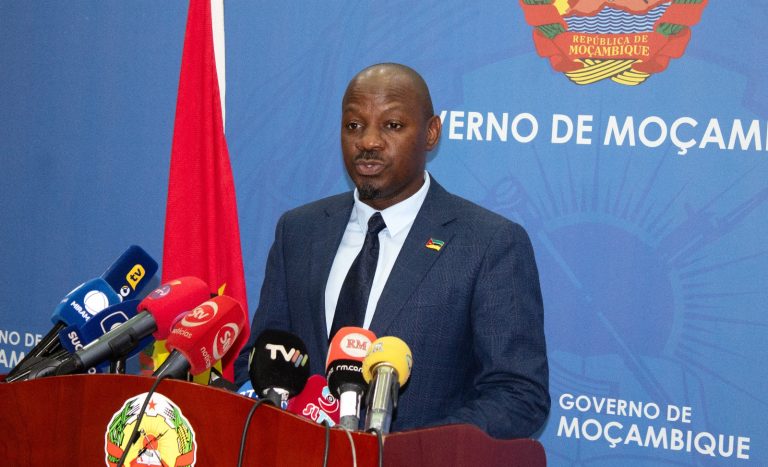
Maputo, 28 Oct (AIM) – Mozambican minister of education Édson Macuácua calls on universities to revise their training models, aligning their curricula with the labor market.
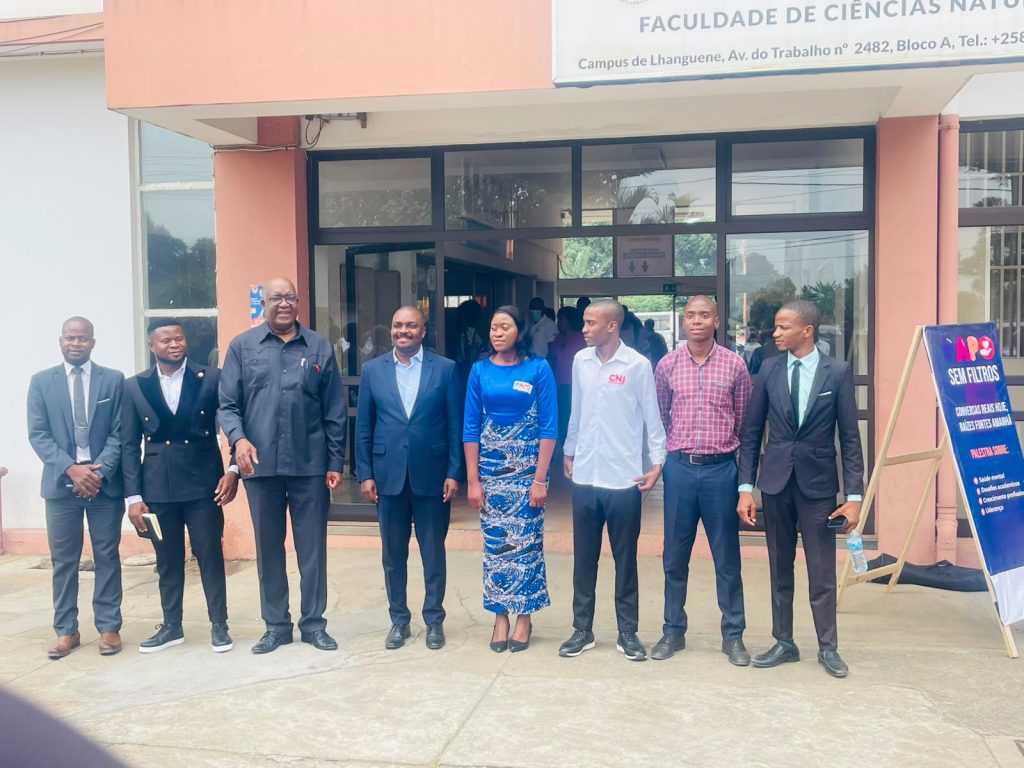
Speaking on Tuesday, in Maputo, at the debate titled “Unfiltered Data, Real Conversations Today, Strong Roots Tomorrow”, the State no longer handles jobs following the completion of one’s education, which means that universities must prepare graduates for a reality where completing a degree no longer guarantees professional placement.
Ironically, Macuácua recommends what he himself should have done when he held the position of Secretary of State for Science and Higher Education, before being appointed Minister of Education. As a Secretary of State for Science and Higher Education, he should have gathered the country’s universities for discussion of measures aimed at reforming their curricula to address the demands of labor market. However, as minister of education, he still has the opportunity to make the reforms he suggests together with the county’s universities.
According to Macuácua, in the years immediately following national independence, the State played a decisive role in both the training and placement of professionals, a time when the country urgently needed technical personnel to ensure the functioning of various sectors.
However, subsequent political and economic transformations have altered this landscape, and “the State now primarily serves a regulatory function, without the responsibility of guaranteeing employment for graduates.”
In Macuácua’s view, this shift demands a response from higher education institutions, which must adapt their training systems to the current realities of the labor market.
The minister argued that university education should cultivate students’ ability to identify opportunities, innovate, and create solutions, rather than being limited to the mere transmission of technical knowledge for the practice of a specific profession.
“Being an entrepreneur means adding value to what already exists. Entrepreneurship also involves introducing new ways of doing things to achieve better outcomes. This approach could foster a more active role for graduates in economic and social development, as they apply the knowledge gained at university toward solving concrete problems”, the minister said.
According to the minister, there is a need to transform both the system and the very concept of education, in order to keep pace with societal changes and new professional demands.
The intervention took place as part of a university dialogue promoted by the organization PAPO (Pregando Amor Pelas Obras), which is “dedicated to reflecting on the challenges faced by young people and the role of education in preparing for the future”
SN/Am/