Maputo, 22 Sep (AIM) – Mozambican President Daniel Chapo has invited Brazilian investors and companies to participate in the “new phase of development for Mozambique’s oil and gas sector.”
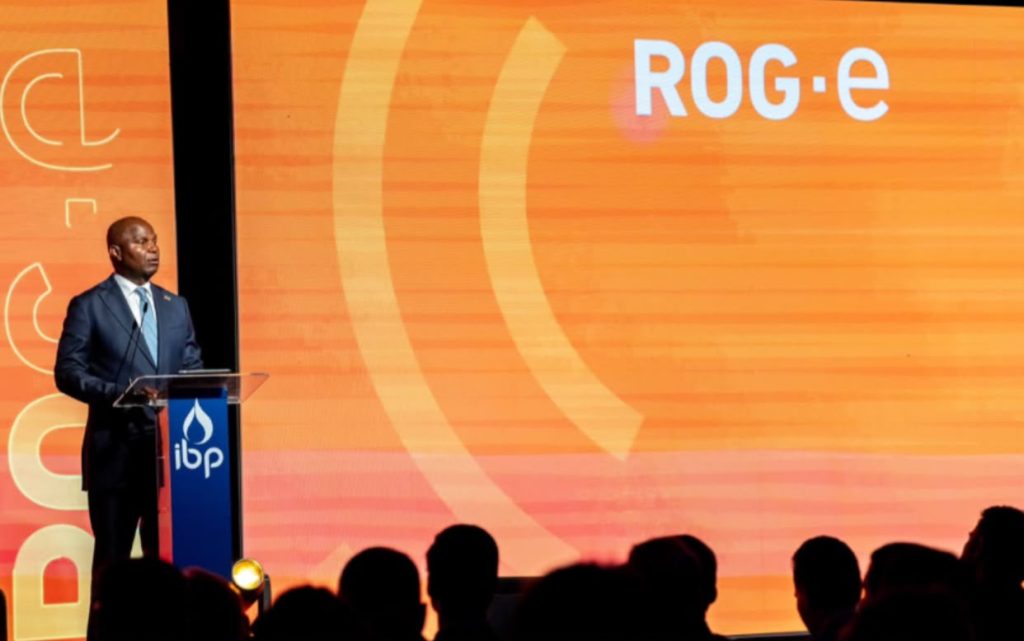
Speaking on Monday at the opening of the Rio Oil & Gas 2026 Forum, organized by the Brazilian Institute of Petroleum, Gas and Biofuels (IBP), Chapo called for partnerships capable of driving industrialization, technology transfer, workforce training, and the strengthening of Mozambican companies.
The President highlighted Brazil’s accumulated experience in areas such as deepwater exploration, engineering, logistics, and supply chain development, viewing this as an opportunity to deepen cooperation between the two nations.
“Today, the challenge for our generation is to add a new dimension to this bridge: energy, technology, investment, and prosperity for our peoples. This initiative holds particular significance at a time when Mozambique and Brazil are seeking to elevate a relationship defined by strong historical, cultural, and diplomatic ties”, he said.
Chapo presented Mozambique’s energy potential to Brazilian investors, estimated at around 180 trillion cubic feet of natural gas, with approximately 133 trillion considered recoverable.
According to the President, this potential is complemented by hydroelectric, solar, and wind resources which, offer the country the possibility of diversifying its energy mix and accelerating economic development.
In the Rovuma Basin, the Coral Sul, Coral Norte, Mozambique LNG, and Rovuma LNG projects represent investments estimated at around 50 billion US dollars, cementing the region’s status as a key frontier. However, the President made it clear that the government’s ambition extends beyond gas extraction and export.
“This new phase aims to link energy resources to industrialization, agriculture, fertilizer production, and job creation, seeking to ensure that a larger share of the value generated by natural resources remains within the national economy.
In the President’s view, reducing reliance on fossil fuels must not come at the expense of the energy needs of developing African nations.“The energy transition cannot mean a transition without energy. There will be no truly just transition if we build a world of clean energy for some and energy poverty for others.”
In this context, he advocated for the role of natural gas as a tool to meet the development needs of Mozambique and Africa, “a transition that must balance environmental sustainability, access to electricity, and economic growth.”
Chapo also announced that Mozambique is preparing a new round of licensing areas for hydrocarbon exploration and production. “The initiative will be supported by more robust geological and geophysical data and a modernized regulatory framework, in an effort to make the Mozambican market more predictable and attractive to investors.”
Chapo also highlighted the approval of the Petroleum Law in June of this year, which aims to strengthen legal predictability, fiscal stability, and regulatory transparency, as well as investor protection. The new framework is also expected to preserve acquired rights and safeguard the national interest.
Am/