Maputo, 11 Oct (AIM) – The United Nations Children’s Fund (UNICEF), in partnership with Mozambican Humanitarian Fund (MOZ HF), have supported 498,765 people, including 363,351 children.
The support was in sectors of health, nutrition, water and sanitation and child protection. It also includes monetary support.
The results come at a time when conflict and floods continue to affect households, especially in hard-to-reach communities.
The mechanism supported the delivery of 363,194 primary health care consultations in Mozambique, reaching 160 percent of the target set for the program, according to data released by the United Nations agency.
According to UNICEF’s fact sheet on the implementation of the fund, as of August 31, 2026, humanitarian assistance reached 498,765 people, including 363,351 children, through interventions aimed at addressing the urgent needs of populations affected by emergencies.
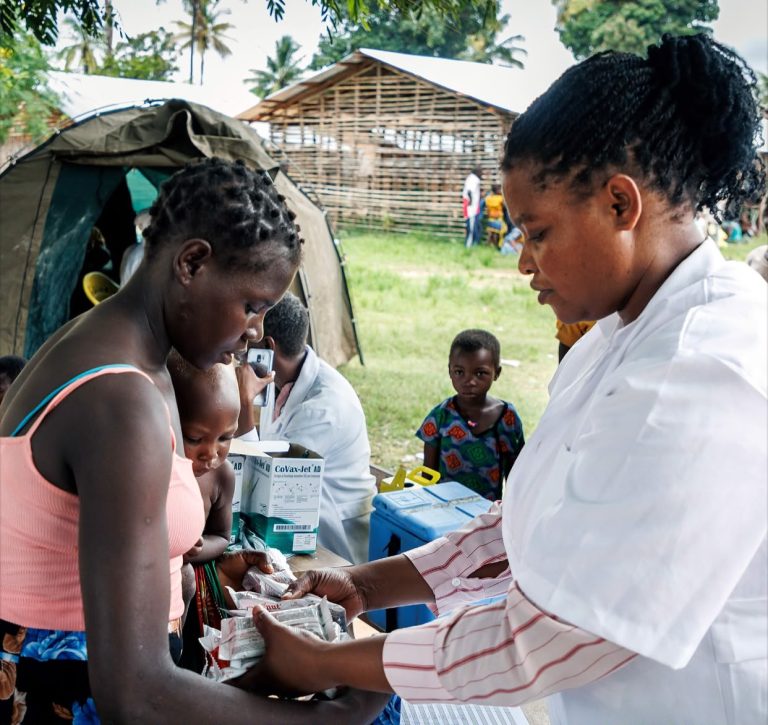
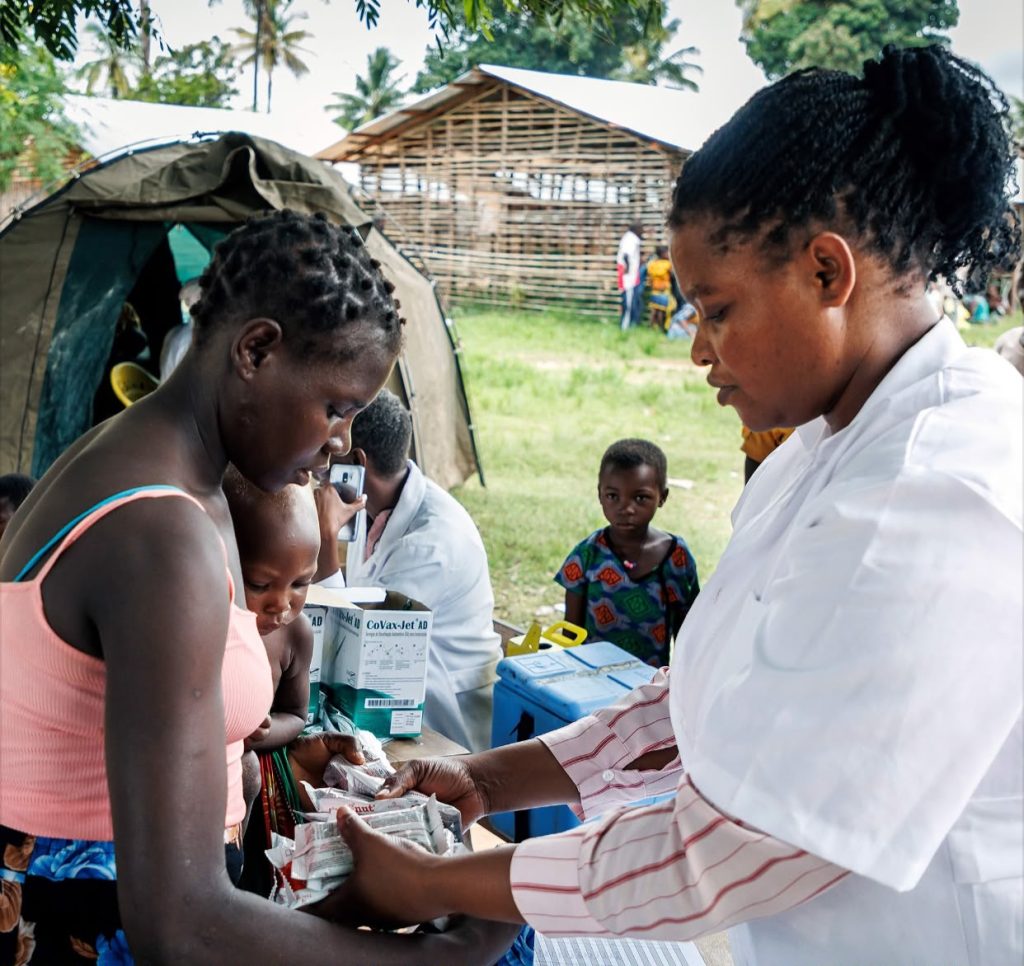
Results include the provision of primary health services in communities where distances, access conditions, and emergencies hinder the regular use of health facilities. The completion of 363,194 consultations, corresponding to 160 percent of the programmed target, reflects the scale of assistance provided within the project.
According to UNICEF, MOZ HF funding is being used to bring essential services to populations in remote areas, including children and families affected by armed conflict and floods, which continue to exacerbate humanitarian needs in different parts of the country.
In the area of nutrition, the program includes the treatment of children with severe acute malnutrition, an intervention aimed at responding to situations requiring specialized monitoring and care.
The child protection component integrates the set of services provided to children affected by humanitarian crises. The monetary support, in turn, is intended to help families affected by emergencies meet immediate needs and begin the recovery of their living conditions.
UNICEF points out that conflict and floods continue to place children and families at risk, particularly in hard-to-reach locations. In these contexts, bringing services closer to communities is a key component of the humanitarian response supported by the fund.
Am/