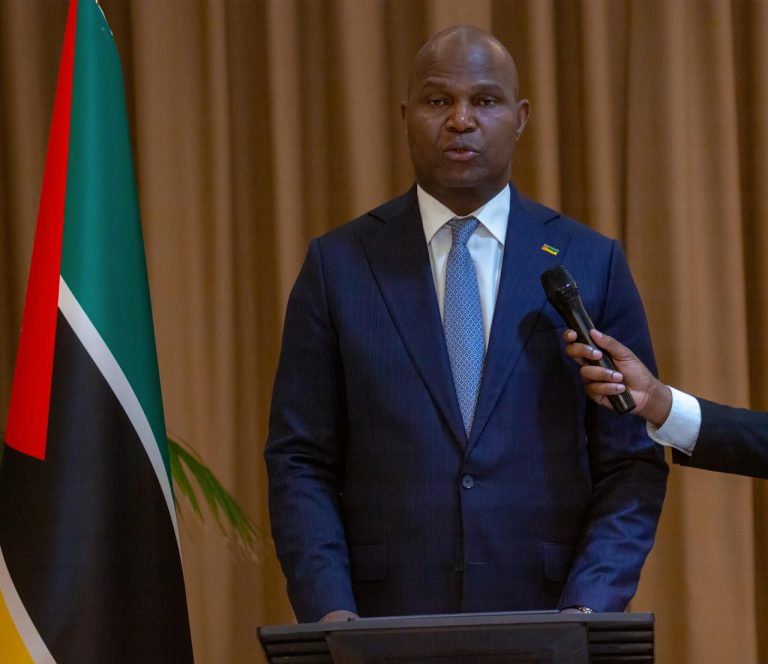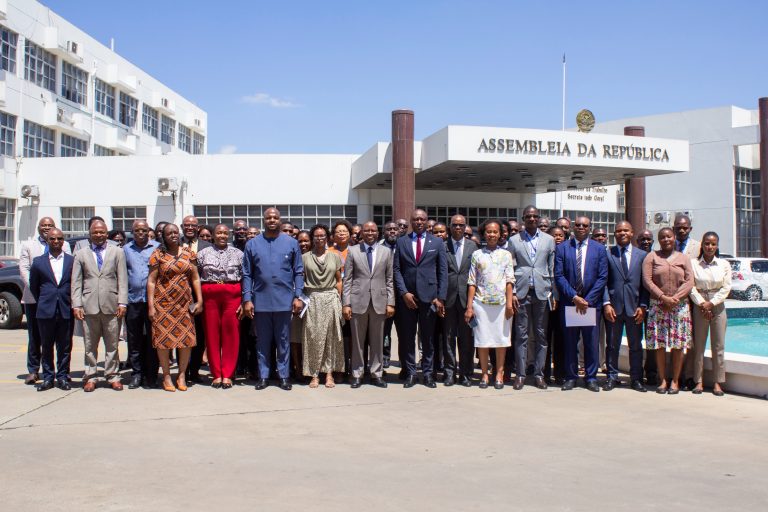

Maputo, 24 Sep (AIM) – A mission from the European Union (EU) has met with Felisberto Navalha, governor of the Bank of Mozambique, the country’s regulator of the national financial system, in order to assess the current financial cooperation between Mozambique and the European bloc.
The meeting takes place during a particularly challenging period for the Mozambican economy, placing a responsibility on the central bank’s new leadership to contribute to macroeconomic stability, strengthen confidence in the financial system, and support the implementation of reforms capable of stimulating sustainable economic growth.
This is the first meeting that Navalha establishes with the EU since he was appointed governor of the Central Bank. Navalha will face the task of balancing the objectives of price stability, financial stability, and maintaining confidence in the national currency with the demands of an economy seeking to regain momentum.
The conduct of monetary policy, the management of inflationary pressures, financial sector stability, and the strengthening of the credibility of economic institutions will be among the key issues to monitor during his tenure.
The EU’s engagement with the new governor is aimed at assessing the European bloc’s significant role in economic and institutional cooperation with Mozambique.
The meeting allowed both parties to discuss prospects for continued dialogue and cooperation between the Bank of Mozambique and the EU team, signaling an intention to keep communication channels open regarding ongoing economic reforms.
According to the EU, the meeting represents an opportunity to align expectations around an economic agenda focused on stability, institutional reforms, private sector development, and the creation of conditions for more inclusive growth.
“For Mozambique, the EU is an economic and development partner with a presence across various sectors of the economy. For the European bloc, Mozambique’s economic and institutional stability is equally important for deepening bilateral relations and fostering an environment conducive to investment and business activity. This meeting marks the beginning of a new phase in the institutional relationship between the two parties”, reads a statement.
Continued dialogue could prove crucial for monitoring economic reforms, exchanging experiences, and identifying areas where European cooperation can support national efforts.
For the central bank, the challenge lies in translating institutional dialogue into concrete results, while preserving its autonomy and credibility and contributing to the country’s broader goals of economic stability and development.
The EU believes that engaging with the new governor offers an opportunity to strengthen an economic partnership that is likely to become increasingly important as Mozambique seeks to consolidate its reforms, attract investment, and build a more solid foundation for growth.
Am/